
The BMW E46, produced from 1998 to 2006, offered enthusiasts a rewarding driving experience, and its manual gearbox is a key component.
Many drivers appreciate the direct connection and control provided by a manual transmission, especially within the E46’s chassis.
Issues with automatic transmissions, like solenoid failures or complete gearbox failures, highlight the appeal of the robust manual options available.
Overview of the E46 Chassis and Transmission Options
The E46 chassis, representing a significant leap forward in BMW’s engineering, was offered with a variety of powertrain configurations to suit diverse driving preferences. Beyond the popular automatic transmissions, the E46 provided several manual gearbox options, enhancing driver engagement and control. These included both 5-speed and 6-speed variants, each tailored to specific engine outputs and model trims.
Early E46 models, such as the 323i and 328i, commonly featured the Getrag 220, a reliable 5-speed manual. As the E46 range expanded, particularly with the introduction of the 330i and performance-oriented ZHP package, the more robust Getrag 235 6-speed transmission became prevalent. This upgrade offered closer gear ratios and increased torque handling capabilities.
The choice between these transmissions wasn’t merely about the number of gears; it reflected BMW’s commitment to optimizing the driving experience for each vehicle. While some owners have faced automatic transmission issues – including torque converter solenoid failures and complete gearbox breakdowns – the manual options have consistently proven durable and engaging, contributing to the E46’s enduring appeal among driving enthusiasts.
Why the E46 Manual Gearbox is Highly Regarded
The E46 manual gearbox enjoys a strong reputation among BMW enthusiasts for its precise shift quality, robust construction, and overall driving engagement. Unlike some contemporary automatic transmissions prone to issues – such as those requiring torque converter solenoid replacements or facing complete failure – the E46’s manual options offer a more direct and reliable connection to the engine.
Drivers appreciate the tactile feedback and control afforded by a manual transmission, allowing for greater involvement in the driving process. The Getrag gearboxes used in the E46 are known for their smooth operation and durability, even under spirited driving conditions. This contrasts sharply with reports of automatic transmissions becoming “knackered” or simply failing with age.

Furthermore, the availability of both 5-speed and 6-speed variants catered to different performance levels, enhancing the E46’s versatility. The manual gearbox contributes significantly to the E46’s status as a beloved driver’s car, offering a rewarding and dependable experience that many automatic variants struggle to match.
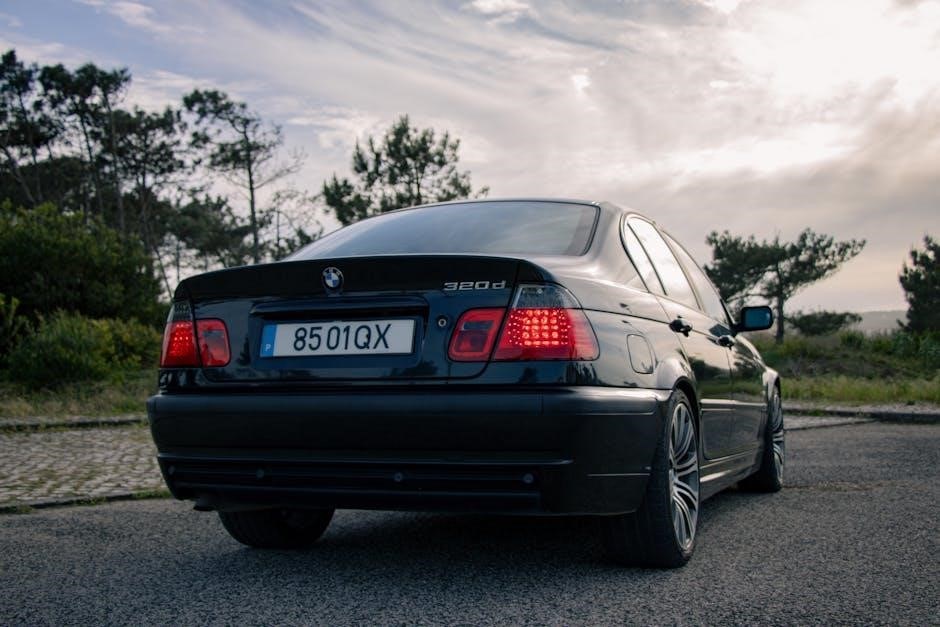
Common E46 Manual Gearbox Models
BMW E46 models primarily utilized two manual gearbox options: the Getrag 220, a durable 5-speed, and the Getrag 235, a smoother, more refined 6-speed transmission.
Getrag 220 — 5-Speed Transmission
The Getrag 220 is a widely-found 5-speed manual transmission in earlier E46 models, known for its robust construction and reliability. It was commonly paired with the M43 and M52 engines, offering a direct and engaging driving experience. While not as sophisticated as the later 6-speed, the 220 is highly regarded for its durability and relatively simple design, making it a cost-effective option for both daily driving and spirited performance.
This gearbox is known to handle moderate power increases without significant issues, though higher horsepower applications may benefit from internal upgrades. Common applications include the E46 318i and some 323i models. Drivers often praise its positive shift feel and overall dependability. Although some may find the 5-speed limiting for track use or high-speed driving, it remains a popular choice for those seeking a classic, driver-focused experience in their E46. Its simplicity also contributes to lower repair costs compared to more complex transmissions.
Getrag 235 — 6-Speed Transmission
The Getrag 235 represents a significant upgrade over the 5-speed, appearing in later E46 models, particularly those equipped with the M54 engine and performance-oriented variants like the 330i and 330Ci. This 6-speed gearbox offers closer gear ratios, enhancing acceleration and providing a more refined driving experience. It’s celebrated for its smooth shifting action and ability to handle higher torque levels, making it a favorite among enthusiasts.
The 235 is notably stronger than the 220, capable of withstanding substantial power modifications without requiring immediate internal reinforcement. Its wider gear spread also improves fuel efficiency during highway cruising. While more complex than its 5-speed counterpart, the Getrag 235’s increased performance and durability justify the added cost and potential maintenance. Many consider it the ideal manual transmission for the E46, offering a perfect balance of usability and performance potential. It’s a sought-after component for E46 builds aiming for significant power gains.
Identifying Potential Issues with the E46 Manual Gearbox
Common symptoms include difficulty shifting, grinding noises, and clutch-related problems. These issues can stem from low fluid, worn synchronizers, or internal damage within the gearbox.
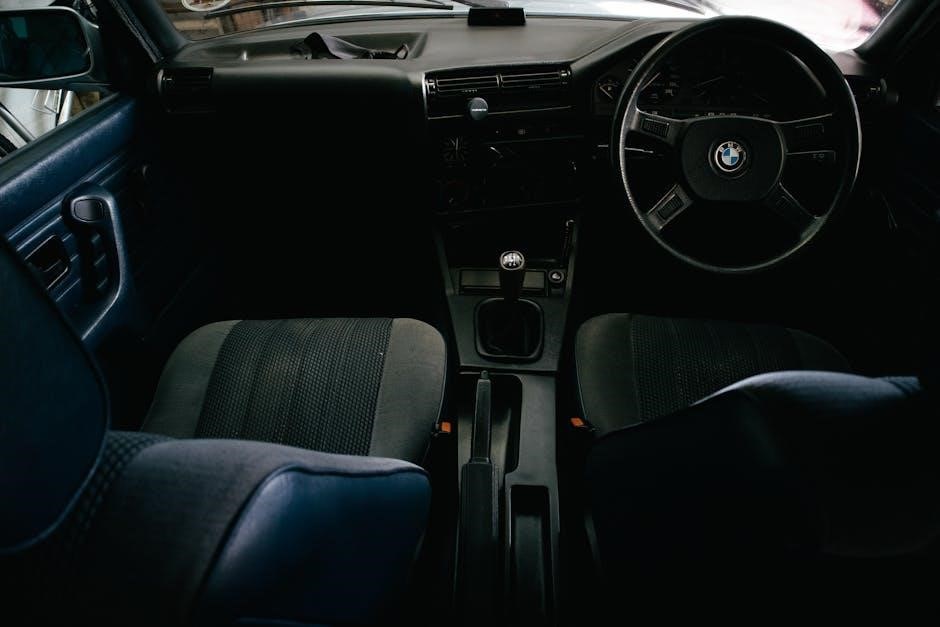
Difficulty Shifting Gears
Experiencing trouble selecting gears in your E46’s manual transmission can manifest in several ways, ranging from slight resistance to an inability to engage a specific gear altogether. This issue often indicates underlying problems within the gearbox itself, or related components. A common cause is low or degraded gearbox oil, which reduces lubrication and increases friction between internal parts.
Worn synchronizers are another frequent culprit. These components are responsible for matching the speed of the gears before engagement, and when worn, they can cause grinding or difficulty finding the gear. Furthermore, issues with the clutch – such as a failing master or slave cylinder, or a worn clutch disc – can mimic shifting problems, as the engine and transmission aren’t fully disengaging.
External factors, like a worn or loose shifter linkage, can also contribute to imprecise or difficult shifting. Inspecting the linkage for play or damage is a good starting point. Finally, internal damage to the shift forks or gear selectors can prevent proper gear engagement, requiring more extensive repairs.
Grinding Noises During Shifting
Hearing grinding noises when attempting to shift gears in your BMW E46’s manual transmission is a clear indication of a synchronization issue. This typically occurs when the synchronizers, responsible for matching gear speeds, are worn or damaged. The grinding sound represents the gears colliding before they’re fully engaged.
Often, grinding is most noticeable when shifting into second or third gear, as these gears experience higher stress. However, it can occur with any gear. Low gearbox oil levels can exacerbate the problem, reducing lubrication and increasing friction. A failing clutch, preventing complete disengagement, can also contribute to grinding, as the gears aren’t fully separated during the shift.
Ignoring grinding noises can lead to further damage to the gears themselves, potentially requiring a complete gearbox rebuild. It’s crucial to diagnose the root cause promptly. Inspecting the gearbox oil condition and checking for play in the shifter linkage are initial steps. Severe grinding usually necessitates internal inspection and synchronizer replacement.
Clutch Problems and Symptoms
Clutch issues in the BMW E46 manual gearbox manifest in several ways, impacting drivability. A common symptom is difficulty shifting gears, often accompanied by a feeling of resistance or needing excessive force. Slipping, where the engine revs increase without a corresponding increase in speed, indicates the clutch isn’t fully engaging, suggesting wear.
Another sign is a high clutch pedal, requiring minimal travel before disengagement, which points to cable stretch or hydraulic system problems. Conversely, a low pedal may indicate a master or slave cylinder leak. Vibrations or shuddering during engagement suggest uneven wear or glazing of the clutch disc. Unusual noises, like squealing or rattling, can also signal clutch component failure.
Addressing these symptoms promptly is vital. A worn clutch not only affects performance but can also damage the flywheel and pressure plate. Regular inspection and timely replacement are crucial for maintaining the E46’s enjoyable driving experience.
Maintenance and Repair of the E46 Manual Gearbox
Regular fluid checks and changes are essential for longevity. Clutch replacement, synchro work, and addressing leaks are common repairs, ensuring smooth operation and preventing further damage.
Regular Fluid Checks and Changes
Maintaining the correct fluid level and condition within the E46 manual gearbox is paramount for its smooth operation and longevity. Unlike some modern transmissions, the E46’s gearbox doesn’t have a specified service interval universally agreed upon, but a proactive approach is highly recommended.
Checking the fluid should be done periodically – ideally every 6 months or 6,000 miles, especially if the vehicle is driven enthusiastically. The process involves locating the fill plug (and drain plug) on the gearbox itself, typically requiring some disassembly of underbody panels. The fluid level is checked by removing the fill plug and observing if fluid trickles out.
Regarding fluid changes, opinions vary, but a complete fluid change every 30,000 to 60,000 miles is a sensible guideline. Using the correct BMW-specified gearbox oil is crucial; aftermarket fluids may lack the necessary additives for optimal performance and protection. When changing the fluid, inspect the drain plug for any metallic debris, which could indicate internal wear. A clean drain plug suggests the gearbox is in good condition.
Neglecting fluid maintenance can lead to increased wear on internal components, difficulty shifting, and ultimately, gearbox failure. Consistent monitoring and timely fluid changes are a relatively inexpensive way to safeguard this vital part of the E46’s drivetrain.
Clutch Replacement Procedures
Replacing the clutch on an E46 manual gearbox is a moderately complex task, often best left to experienced mechanics, but achievable for skilled DIY enthusiasts. The process begins with disconnecting the driveshaft, exhaust system, and various linkages to gain access to the gearbox.
Supporting the engine is critical before removing the gearbox mounting bolts. Once detached, the gearbox is carefully lowered, revealing the clutch assembly. Inspect the flywheel for wear or damage; resurfacing or replacement may be necessary.
Removing the old clutch involves releasing the pressure plate and disengaging the clutch disc. Installing the new clutch requires precise alignment using a clutch alignment tool to ensure proper engagement with the pilot bearing.

Reassembly follows in reverse order, paying close attention to torque specifications for all bolts. Bleeding the clutch hydraulic system is essential to restore proper clutch pedal feel and function. A clutch replacement is often a good opportunity to inspect and potentially replace the rear main seal to prevent oil leaks.
Synchro Replacement – A Detailed Look
Synchro replacement within the E46 manual gearbox is a more involved procedure, typically undertaken when experiencing difficulty selecting specific gears or encountering grinding noises during shifts. It requires complete gearbox disassembly, demanding significant mechanical skill and specialized tools.
Accessing the synchros involves removing the top cover, shift forks, and gear sets. Each synchro cone and sleeve must be carefully inspected for wear, damage, or deformation. Replacing synchros often necessitates replacing the corresponding gear as well, due to wear patterns.
Installation demands meticulous attention to detail, ensuring proper orientation and lubrication of each component. Using BMW-specific tools for compressing synchro rings is crucial for correct installation.

Reassembly requires precise alignment of all internal components and adherence to factory torque specifications. Thorough testing after reassembly is vital to confirm smooth and accurate gear engagement. This is a task best left to professionals experienced with BMW transmissions.
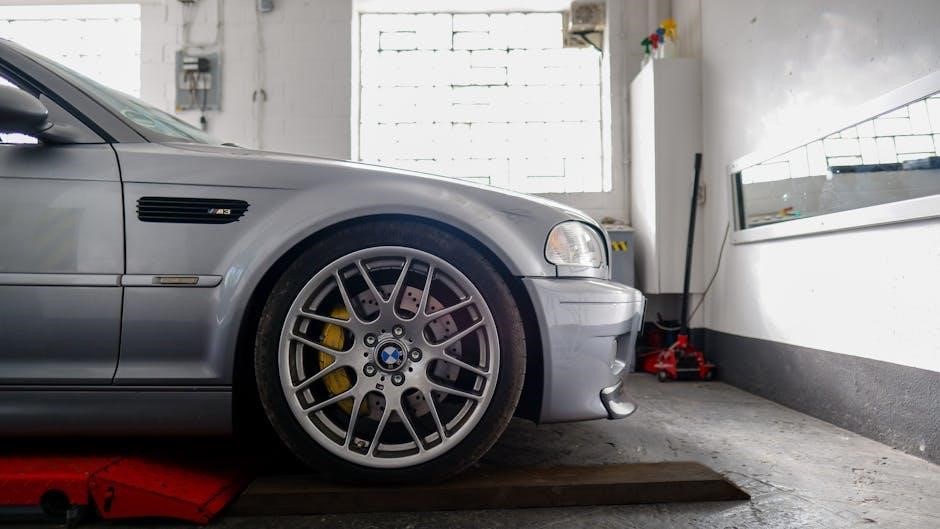
Specific Problems and Solutions
Common issues include oil leaks from the rear main seal, shifter linkage wear causing imprecise shifts, and worn shift forks impacting gear selection.
Addressing Gearbox Oil Leaks
Gearbox oil leaks are a relatively common issue on the E46 manual transmission, often stemming from age and mileage. The most frequent culprit is the rear main seal, which seals the connection between the engine and the transmission; deterioration here leads to noticeable drips. Another potential source is the output shaft seal, located where the driveshaft connects to the gearbox.
Diagnosis involves carefully inspecting the transmission housing for visible oil accumulation. Cleaning the area thoroughly is crucial before pinpointing the leak’s exact origin. Addressing these leaks typically requires removing the driveshaft and, in the case of the rear main seal, potentially the transmission itself.
Replacing the seals is a straightforward mechanical process, but requires attention to detail and proper torque specifications. Using a high-quality replacement seal is essential for long-term reliability. It’s also wise to inspect the pilot bearing and throw-out bearing while the transmission is removed, as these components often benefit from replacement concurrently.
Troubleshooting Shifter Linkage Issues
Shifter linkage problems on the E46 manual gearbox often manifest as imprecise shifting, difficulty selecting gears, or a generally sloppy feel. These issues typically arise from worn or loose components within the linkage system, which connects the shift lever to the transmission itself. Key areas to inspect include the shift linkage bushings, the selector rod guide, and the connection points at the transmission.
A common fix involves replacing the worn bushings, which are made of plastic and become brittle with age. These bushings provide a secure and precise connection, and their deterioration leads to excessive play. Inspecting the selector rod guide for cracks or damage is also crucial.
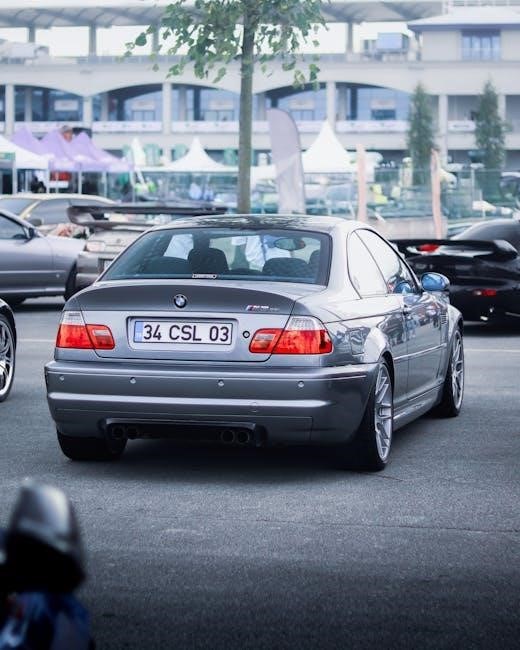
Adjusting the linkage can sometimes improve shifting accuracy, but this should be done cautiously and according to the factory service manual. If the problem persists, a thorough inspection of the transmission mounting points is recommended, as a loose transmission can exacerbate linkage issues.
Dealing with Worn Shift Forks
Worn shift forks within the E46 manual gearbox are a more serious issue, often resulting in difficulty selecting specific gears or gears popping out of engagement. These forks are responsible for physically moving the synchronizers to engage the desired gear, and wear occurs due to constant friction and stress. Diagnosing worn shift forks typically requires removing the transmission for internal inspection.
Signs of wear include rounded or damaged fork pads, which indicate excessive play between the fork and the synchronizer hub. Replacing worn shift forks necessitates a complete transmission disassembly, demanding significant mechanical skill and specialized tools. It’s often recommended to replace the synchronizers simultaneously, as they likely exhibit wear as well.
Ignoring worn shift forks can lead to further damage within the transmission, potentially causing complete failure; Proper lubrication during reassembly is critical to prevent premature wear of the new components. This repair is best left to experienced BMW technicians.

Upgrading the E46 Manual Gearbox
Enhancements for the E46 manual include short shifter kits for quicker throws, stronger clutches to handle increased power, and lightweight flywheels for improved engine response.
Short Shifter Kits – Benefits and Installation
Short shifter kits represent a popular modification for the E46 manual gearbox, dramatically altering the feel of gear changes. The primary benefit lies in reduced shift throw – the distance the lever travels between gears – resulting in quicker, more precise shifts. This translates to a more engaging driving experience, particularly beneficial for spirited driving or track use.
Installation typically involves replacing the factory shift linkage components with shorter, more direct alternatives. While some kits are direct bolt-in replacements, others may require minor adjustments or modifications. The process generally involves removing the center console, disconnecting the existing linkage, and installing the new components.
It’s crucial to follow the manufacturer’s instructions carefully, ensuring proper alignment and securing all fasteners to the correct torque specifications. Improper installation can lead to binding, difficulty selecting gears, or even damage to the transmission. Many DIY enthusiasts undertake this modification, but professional installation is recommended for those lacking experience. Post-installation, a thorough test drive is essential to verify smooth and accurate gear engagement.
Stronger Clutch Options for Performance Builds
For E46s undergoing performance modifications – such as turbocharging or engine swaps – the stock clutch often becomes a limiting factor. Increased power and torque demand a clutch capable of handling the extra load, preventing slippage and ensuring efficient power transfer. Upgrading to a stronger clutch is, therefore, a crucial step in any serious performance build.
Several options are available, ranging from upgraded organic clutches to more aggressive ceramic or multi-plate setups. Organic clutches offer a good balance of drivability and increased holding power, suitable for moderate power gains. Ceramic clutches provide significantly higher clamping force but can be more challenging to modulate, potentially resulting in a harsher engagement.
Multi-plate clutches are reserved for extreme power levels, offering the highest clamping force but often sacrificing daily drivability. When selecting a clutch, consider the intended use of the vehicle and the level of power being produced. Installation typically requires removing the transmission, so professional installation is often recommended, alongside flywheel resurfacing or replacement.
Lightweight Flywheel Considerations
Pairing a stronger clutch with a lightweight flywheel is a common practice in E46 performance builds, aiming to improve engine responsiveness and acceleration. Reducing rotational mass allows the engine to rev more freely, resulting in quicker spool-up times for turbocharged engines and a more eager feel throughout the rev range. However, lightweight flywheels aren’t without their trade-offs.
A lighter flywheel generally results in increased noise, vibration, and harshness (NVH). The reduced mass offers less inertia, making the engine slightly more prone to stalling at low speeds, particularly during aggressive driving. Driveability can be affected, requiring more precise clutch control.
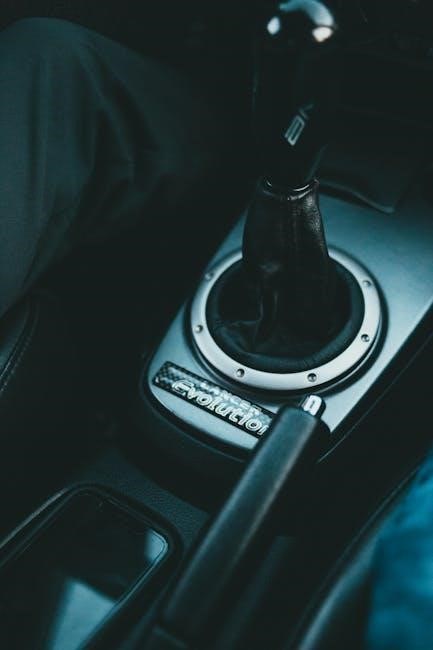
Flywheel weight reduction should be carefully considered based on the vehicle’s intended use. A moderate weight reduction often provides a good balance between performance gains and daily drivability. Always ensure the flywheel is properly balanced to prevent vibrations and potential damage to the engine or transmission. Professional installation and alignment are crucial for optimal performance and longevity.
Leave a Reply