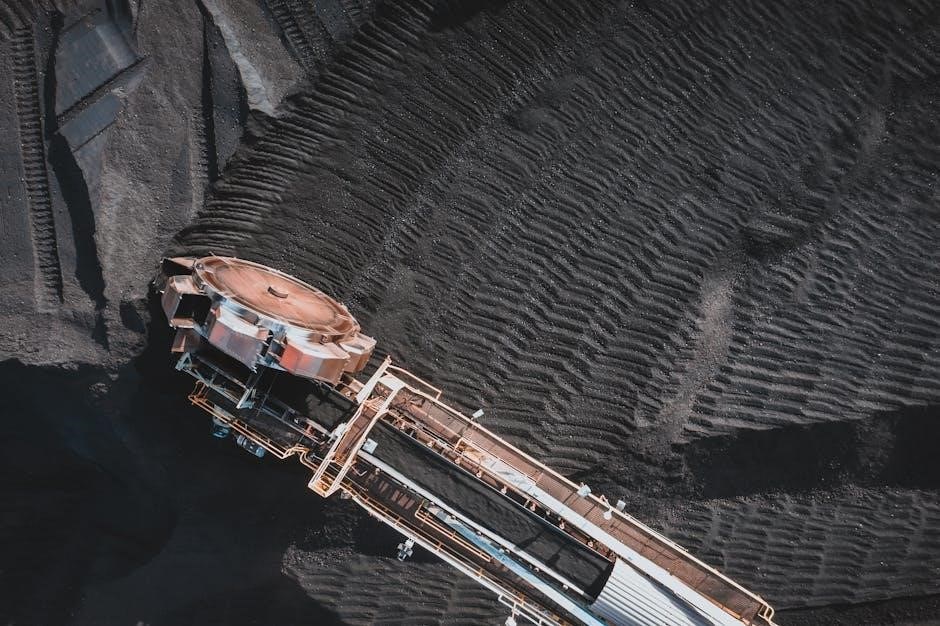
Conveyor Guide: An In-Depth Overview
Conveyor systems represent a crucial element in modern material handling, streamlining processes across diverse industries with efficiency and reliability․
These systems, encompassing belt, roller, chain, screw, overhead, and pneumatic types, offer tailored solutions for transporting goods of varying sizes and weights․
Furthermore, vertical lift conveyors, both reciprocating and continuous, provide versatile space-saving options for elevating materials within facilities․
Today’s date is 03/26/2026 17:44:49 ()․
Conveyor systems are the backbone of modern material handling, designed to efficiently move products and materials across various operational environments․ These systems aren’t simply about transportation; they represent a strategic investment in optimizing workflows, reducing labor costs, and enhancing overall productivity․
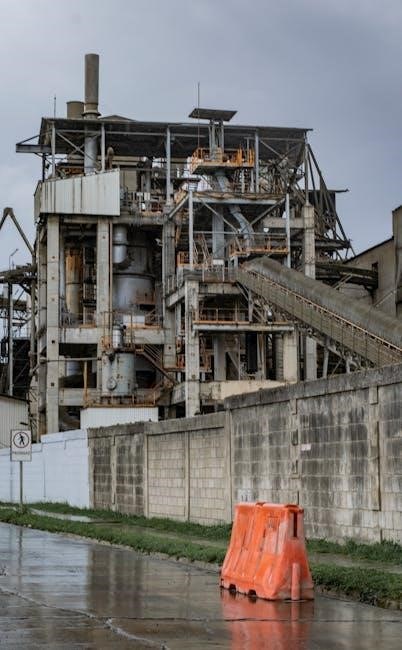
Historically, material movement relied heavily on manual labor, a process prone to inefficiencies and potential safety hazards․ The advent of conveyor technology revolutionized this, offering a continuous and controlled method for handling goods․ From simple gravity conveyors to sophisticated powered roller systems and complex overhead conveyors, the range of options caters to a diverse spectrum of needs․
Understanding the core principles of conveyor systems – including load capacity, speed, and material compatibility – is paramount for successful implementation․ These systems are integral to industries like warehousing, manufacturing, food processing, and pharmaceuticals, demonstrating their broad applicability and enduring value in modern logistics․
Today’s date is 03/26/2026 17:44:49 ()․
Types of Conveyor Systems: A Comprehensive Breakdown
Conveyor systems encompass a wide array of designs, each suited for specific material handling challenges․ Belt conveyors utilize a continuous moving belt to transport items, ideal for bulk materials and packaged goods․ Conversely, roller conveyors employ a series of rollers, offering a cost-effective solution for moving items with a flat bottom․
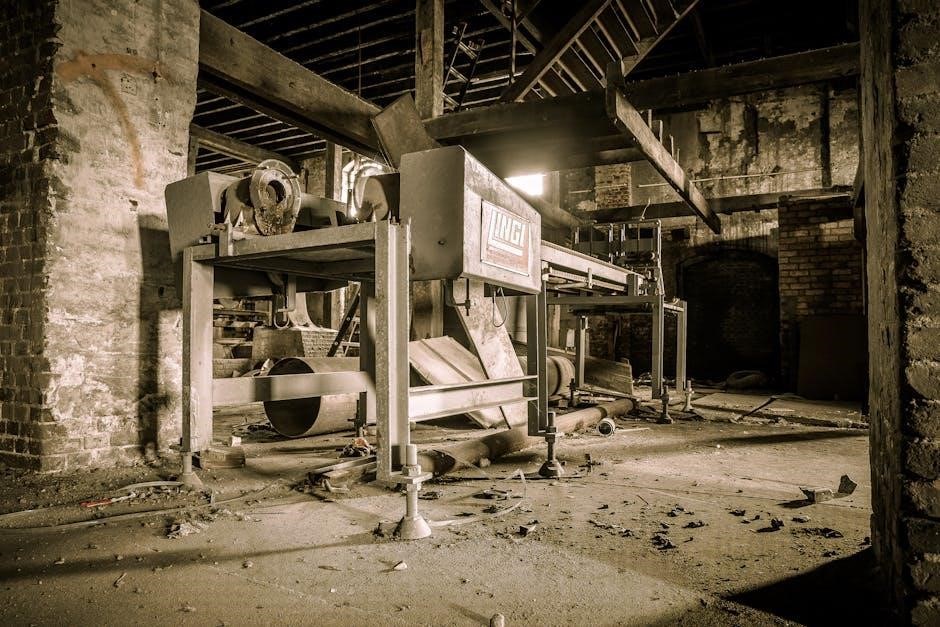
Motorized roller conveyors enhance this by adding power, enabling controlled movement and handling heavier loads․ For demanding applications, chain conveyors excel at handling heavy items and navigating harsh environments․ Screw conveyors efficiently move bulk materials, while overhead conveyors maximize floor space and streamline processes․
Finally, pneumatic conveyors utilize air pressure for rapid transport of lightweight materials․ Selecting the appropriate type hinges on factors like material characteristics, throughput requirements, and spatial constraints, ensuring optimal performance and efficiency․
Today’s date is 03/26/2026 17:44:49 ()․
Belt Conveyors: Applications and Features
Belt conveyors stand as a cornerstone of material handling, renowned for their versatility and efficiency in transporting a diverse range of products․ These systems utilize a continuous loop of belting, supported by rollers, to move items from one point to another․ They are particularly well-suited for handling bulk materials like aggregates, grains, and powders, as well as packaged goods․
Key features include adjustable speed control, customizable belt materials to suit various product characteristics, and the ability to handle inclines and declines․ Applications span industries such as mining, agriculture, manufacturing, and logistics․
Belt conveyors offer a smooth, quiet operation and can be configured for long distances, making them a reliable and cost-effective solution for numerous material transport needs․
Today’s date is 03/26/2026 17:44:49 ()․
Roller Conveyors: Gravity vs․ Powered Systems
Roller conveyors represent a simple yet effective material handling solution, utilizing a series of rollers to facilitate the movement of goods․ A fundamental distinction lies between gravity-powered and powered systems․ Gravity conveyors rely on the force of gravity to move items along a decline, requiring minimal energy input and offering a cost-effective solution for straightforward transport․
Conversely, powered roller conveyors incorporate an electric motor to drive the rollers, enabling controlled movement, handling of heavier loads, and the ability to convey materials uphill․ These are frequently used in food processing, steelmaking, and packaging․
The choice between the two depends on factors like load weight, distance, and the need for precise control․ Both types offer adaptability and ease of integration into existing workflows․
Today’s date is 03/26/2026 17:44:49 ()․
Motorized Roller Conveyvers: Controlled Movement for Specific Needs
Motorized roller conveyors represent an advancement over traditional roller systems, integrating electrical power to enable precise and controlled movement of goods․ Each roller is driven by its own motor, allowing for independent control and the ability to accumulate or divert items with accuracy․
This technology is particularly valuable in applications demanding controlled flow, such as sorting systems, accumulation tables, and complex production lines․ The ability to start, stop, and reverse individual rollers enhances operational flexibility and minimizes product damage․
These systems are well-suited for heavier loads and industries like food processing, steelmaking, and packaging, where automation and precision are paramount․ They offer a significant upgrade in functionality compared to gravity or standard powered roller conveyors․
Today’s date is 03/26/2026 17:44:49 ()․
Chain Conveyors: Handling Heavy Loads and Harsh Environments
Chain conveyors are engineered for robust applications involving heavy loads and challenging environmental conditions․ Utilizing continuous chains to move materials, these systems excel where other conveyor types fall short, offering exceptional durability and strength․
They are commonly employed in industries such as mining, aggregates, and metalworking, where resistance to abrasion, impact, and extreme temperatures is crucial․ Chain conveyors can handle a wide range of materials, including bulk solids, pallets, and large, irregularly shaped items․
Their design allows for both horizontal and vertical transport, making them adaptable to various layouts․ The robust construction ensures a long service life, even under demanding operational stresses, providing a reliable material handling solution․
Today’s date is 03/26/2026 17:44:49 ()․
Screw Conveyors: Efficient Transport of Bulk Materials
Screw conveyors provide a highly efficient method for transporting bulk materials, utilizing a rotating helical screw blade within a trough․ These systems are particularly well-suited for moving dry, free-flowing solids like grains, powders, and aggregates over relatively short distances․
Their enclosed design minimizes material spillage and dust emissions, contributing to a cleaner and safer working environment․ Screw conveyors are known for their simplicity, low maintenance requirements, and cost-effectiveness, making them a popular choice in various industries․
They can be configured for horizontal, inclined, or vertical transport, offering flexibility in system design․ Furthermore, screw conveyors can simultaneously mix and convey materials, adding to their versatility and functionality․
Today’s date is 03/26/2026 17:44:49 ()․
Overhead Conveyors: Maximizing Space and Streamlining Processes
Overhead conveyors represent an excellent solution for facilities seeking to maximize floor space and streamline material flow․ By suspending materials above the work area, these systems free up valuable ground-level space for other operations, enhancing overall efficiency․

Common types include powered and non-powered systems, catering to diverse needs․ They are particularly effective in applications requiring long-distance transport or complex routing, such as assembly lines and paint finishing systems․
Overhead conveyors offer a safe and reliable method for handling materials, reducing the risk of worker injury and product damage․ Their modular design allows for easy customization and expansion, adapting to changing production requirements․
Today’s date is 03/26/2026 17:44:49 ()․
Pneumatic Conveyors: Rapid Transport of Lightweight Materials
Pneumatic conveyors utilize air pressure to transport lightweight bulk materials through enclosed tubes, offering a rapid and efficient solution for various industries․ This system excels in handling dry, free-flowing products like powders, granules, and flakes, minimizing dust and contamination․
Two primary types exist: dilute-phase and dense-phase, each suited for different material characteristics and distances․ Dilute-phase systems are ideal for long-distance, high-speed transport, while dense-phase systems are better for fragile materials․
Pneumatic conveyors are particularly valuable in industries like food processing, pharmaceuticals, and plastics, where hygiene and product integrity are paramount․ Their enclosed design ensures minimal material loss and a clean operating environment․
Today’s date is 03/26/2026 17:44:49 ()․
Applications of Conveyor Systems Across Industries
Conveyor systems demonstrate remarkable versatility, finding essential applications across a broad spectrum of industries․ In warehouse and distribution centers, they optimize logistics, accelerating order fulfillment and reducing labor costs․ The food and beverage processing sector relies on conveyors for maintaining hygiene and efficiency throughout production lines․
Manufacturing benefits from streamlined production, while the pharmaceutical industry demands precision and compliance, both readily achieved with automated conveyor solutions․ Even consumer goods production utilizes conveyors for high-volume handling of diverse products․
Furthermore, these systems are integral to industries like automotive, airport baggage handling, and recycling facilities, showcasing their adaptability and widespread utility․ Vertical lift conveyors are also found in many applications․
Today’s date is 03/26/2026 17:44:49 ()․
Warehouse and Distribution Centers: Optimizing Logistics

Conveyor systems are pivotal in modern warehouse and distribution centers, dramatically optimizing logistical operations․ They facilitate the efficient movement of goods from receiving to shipping, minimizing manual handling and reducing processing times․ Belt conveyors and roller conveyors are commonly employed for transporting packages and pallets throughout the facility․
Automated systems, including powered roller conveyors, enable controlled movement and sorting, enhancing order accuracy and throughput․ Integration with warehouse management systems (WMS) further streamlines processes, providing real-time tracking and inventory control․
Vertical lift conveyors also play a crucial role in maximizing space utilization, enabling multi-level material flow․ Ultimately, conveyors contribute to reduced labor costs, improved efficiency, and faster order fulfillment, vital for maintaining a competitive edge․
Today’s date is 03/26/2026 17:44:49 ()․
Food and Beverage Processing: Maintaining Hygiene and Efficiency
Conveyor systems are indispensable in the food and beverage processing industry, where maintaining both hygiene and efficiency is paramount․ Stainless steel belt conveyors are frequently utilized for transporting food products, ensuring easy cleaning and preventing contamination․ Powered roller conveyors offer controlled movement for precise processing and packaging․
Sanitary designs, incorporating features like open frames and minimized crevices, are crucial for meeting stringent food safety regulations․ These systems minimize manual handling, reducing the risk of product damage and maintaining product integrity․
Efficient material flow streamlines production lines, increasing throughput and reducing waste․ Automated sorting and inspection systems, integrated with conveyors, further enhance quality control and ensure compliance with industry standards․
Today’s date is 03/26/2026 17:44:49 ()․
Manufacturing: Streamlining Production Lines
Conveyor systems are fundamental to manufacturing processes, dramatically streamlining production lines and boosting overall efficiency․ Belt conveyors excel at moving components between workstations, while roller conveyors facilitate the accumulation and flow of finished goods․ Motorized roller conveyors provide precise control for complex assembly operations․
These systems minimize manual labor, reducing errors and improving worker safety․ Integration with automation technologies, such as robotic arms and sensors, creates highly efficient and responsive production cells․
By optimizing material flow, conveyors reduce bottlenecks, shorten lead times, and increase output․ They also enable just-in-time inventory management, minimizing storage costs and improving responsiveness to customer demand․ Efficient layouts are key to maximizing productivity․
Today’s date is 03/26/2026 17:44:49 ()․
Pharmaceutical Industry: Ensuring Precision and Compliance
Conveyor systems in the pharmaceutical industry demand the highest levels of precision and compliance with stringent regulations․ Belt conveyors and roller conveyors are frequently utilized for transporting vials, bottles, and packaged medications, but must be designed for easy sanitation․
Maintaining product integrity and preventing contamination are paramount․ Systems often incorporate features like enclosed designs, smooth surfaces, and clean-in-place (CIP) capabilities․ Precise control offered by motorized roller conveyors is vital for accurate sorting and alignment․
Traceability is also crucial; integrated tracking systems monitor product movement throughout the manufacturing and packaging processes․ These conveyors contribute to efficient workflows while adhering to strict quality control standards and regulatory requirements․
Today’s date is 03/26/2026 17:44:49 ()․
Consumer Goods Production: High-Volume Handling
Consumer goods production necessitates high-volume handling, making conveyor systems indispensable for efficient manufacturing and distribution․ Belt conveyors excel at moving packaged products, while roller conveyors facilitate the transport of cartons and cases throughout the production line․
Overhead conveyors maximize floor space, crucial in large-scale facilities, and enable streamlined product flow․ Motorized roller conveyors provide controlled movement for sorting and accumulation processes, increasing throughput․ The ability to integrate with automated packaging and labeling systems is key․
Durability and reliability are essential to withstand continuous operation․ These systems contribute to reduced labor costs, minimized product damage, and faster order fulfillment, ultimately enhancing overall productivity․
Today’s date is 03/26/2026 17:44:49 ()․
Vertical Lift Conveyors: Versatility and Space Saving

Vertical lift conveyors offer a compelling solution when floor space is limited, providing efficient vertical material transport․ These systems are categorized into reciprocating and continuous types, each suited to different application needs․ Reciprocating vertical lifts move materials in intermittent cycles, ideal for batch processing, while continuous vertical lifts maintain a constant flow, enhancing throughput․
Their versatility extends across industries, including warehouse/distribution centers, pharmaceutical plants, food & beverage processing, general manufacturing, and consumer goods production․ They efficiently connect different levels of a facility, automating material flow and reducing manual handling․
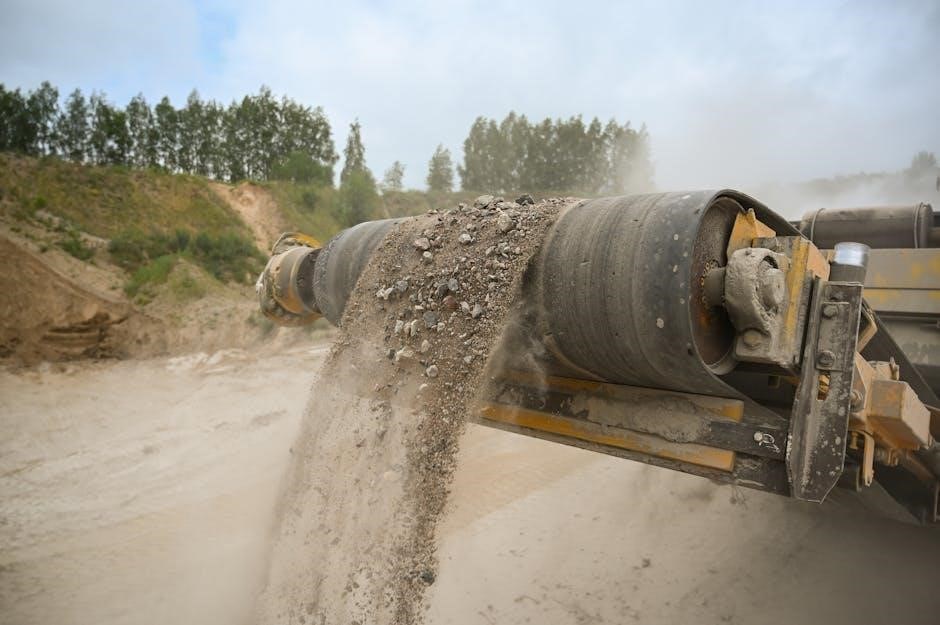
Safety features and customizable configurations ensure seamless integration into existing workflows, optimizing space utilization and boosting operational efficiency․
Today’s date is 03/26/2026 17:44:49 ()․
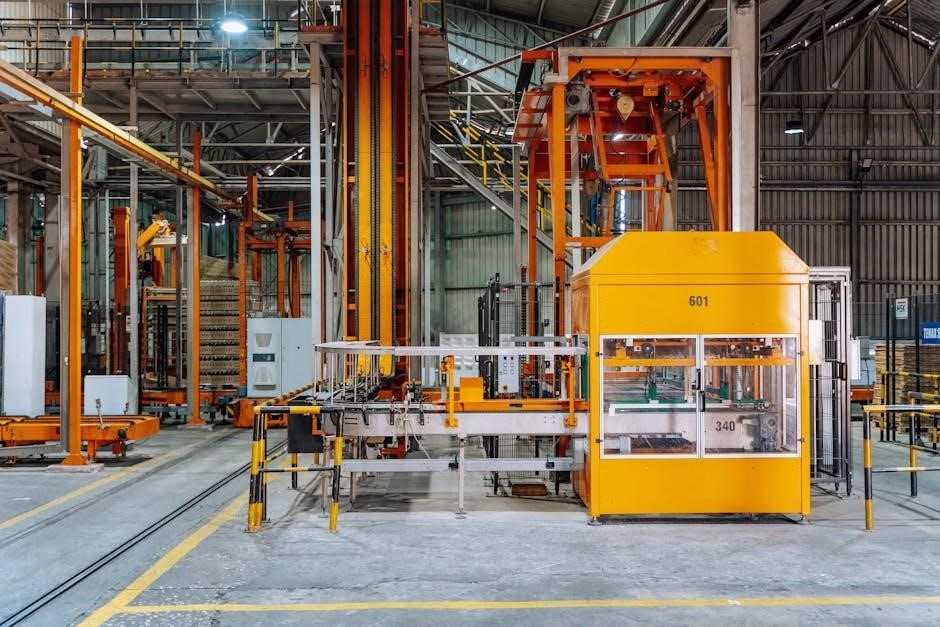
Reciprocating Vertical Lifts: Intermittent Movement
Reciprocating vertical lifts operate on a distinct principle of intermittent movement, lifting materials in cycles․ This “up-and-down” action makes them particularly well-suited for applications involving batch processing or where materials require controlled elevation to specific heights․ The lift platform rises with the load, pauses, and then descends for the next cycle․
These lifts excel in scenarios where a continuous flow isn’t necessary, offering a cost-effective and energy-efficient solution․ They are commonly found in environments needing precise positioning of goods between different levels, such as machine feeding or order fulfillment processes․
Their robust construction ensures reliable performance, even with heavier loads, and their relatively simple design contributes to ease of maintenance․
Today’s date is 03/26/2026 17:44:49 ()․
Continuous Vertical Lifts: Constant Flow
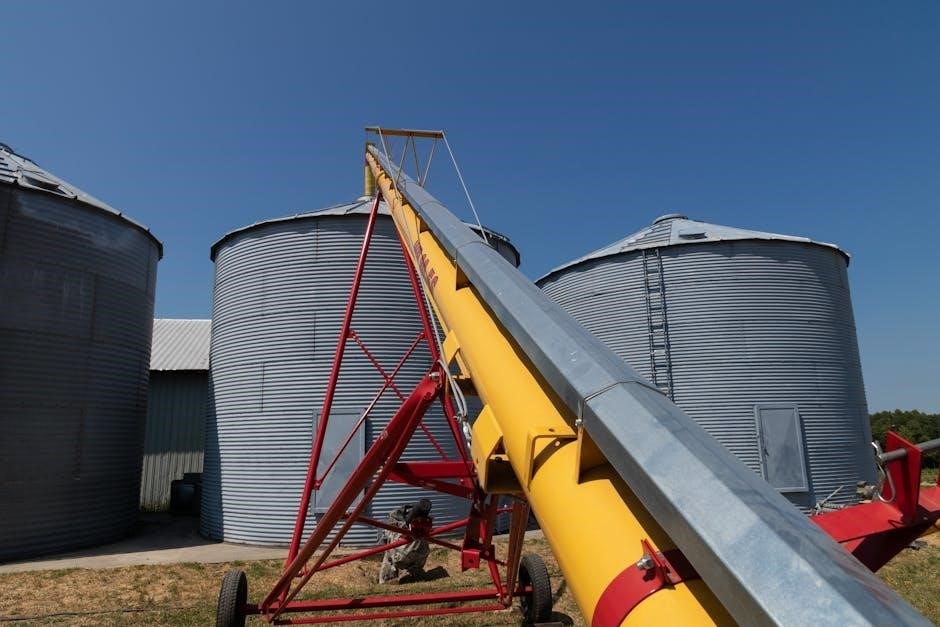
Continuous vertical lifts distinguish themselves through their ability to provide a seamless, uninterrupted flow of materials․ Unlike their reciprocating counterparts, these lifts employ a continuous belt or chain mechanism, ensuring a constant upward movement of goods․ This makes them ideal for high-volume applications demanding consistent material transfer between levels․
They are frequently utilized in scenarios where maintaining production line speed is paramount, such as in food and beverage processing or consumer goods production․ The continuous motion minimizes bottlenecks and maximizes throughput․
These systems often incorporate safety features to protect personnel and prevent product damage, offering a reliable and efficient solution for vertical material handling needs․
Today’s date is 03/26/2026 17:44:49 ()․
Factors to Consider When Choosing a Conveyor System
Selecting the appropriate conveyor system requires careful evaluation of several key factors․ First, consider the material characteristics – weight, size, shape, and fragility – as these dictate the necessary conveyor type․ Throughput requirements are also crucial; high-volume operations demand systems capable of continuous, rapid transport․
Layout constraints and available floor space influence the choice between floor-mounted or overhead systems․ Furthermore, the operating environment – temperature, humidity, and potential exposure to harsh substances – must be accounted for․
Budgetary limitations, maintenance needs, and energy efficiency are also vital considerations․ Prioritizing these factors ensures a cost-effective and reliable material handling solution tailored to specific operational demands․
Today’s date is 03/26/2026 17:44:49 ()․
Leave a Reply