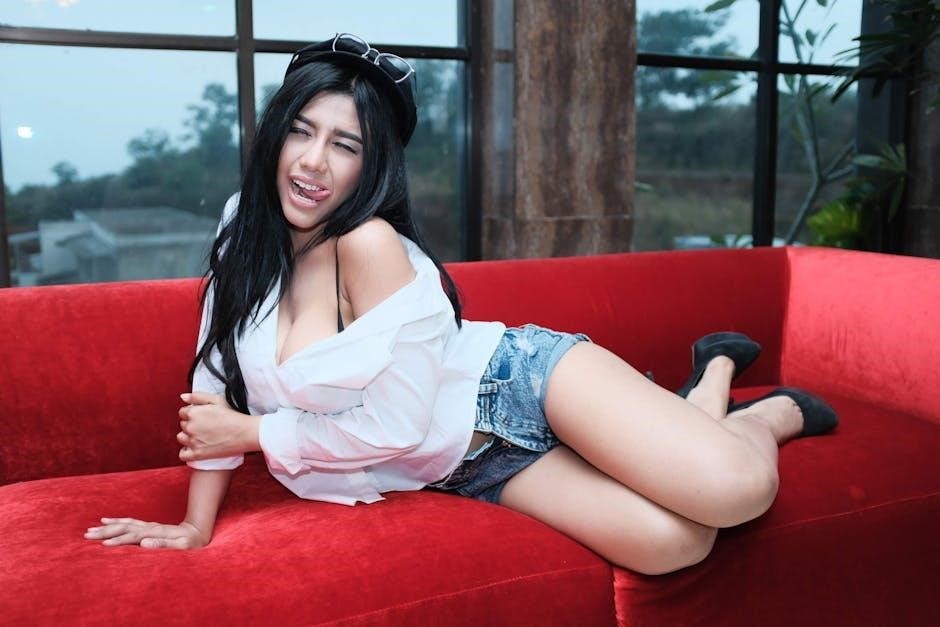
Thailand’s unique cultural landscape includes the kathoey, often referred to as ladyboys, deeply interwoven with history and increasingly visible through tourism’s influence.
This phenomenon, a long-standing part of Thai society, is now attracting a growing LGBTQ+ tourist demographic and contributing significantly to the nation’s “rainbow economy.”
The presence of ladyboys is particularly prominent in nightlife hubs, offering a complex intersection of cultural heritage, entertainment, and evolving societal acceptance.
Historical and Cultural Context
Historically, the presence of individuals exhibiting gender variance in Thailand predates Western conceptualizations of sexuality and gender identity. Rooted in ancient animist beliefs and Buddhist tolerance, these individuals weren’t necessarily categorized or stigmatized as they are in many Western cultures.
Early accounts suggest roles existed within the royal courts where individuals presenting as female served specific functions, often linked to religious ceremonies or entertainment. This acceptance wasn’t universal, but a degree of social accommodation existed.
The term “kathoey” itself has evolved, carrying nuanced meanings beyond a simple translation of “ladyboy.” It reflects a complex cultural understanding of gender fluidity and a recognized, though sometimes marginalized, social category. This historical context is crucial for understanding the modern phenomenon and avoiding simplistic interpretations.
Traditional Thai society often viewed gender as more fluid than rigidly binary, allowing for a space – albeit sometimes precarious – for those who didn’t conform to strict norms.
Defining “Ladyboy” (Kathoey)
The term “ladyboy” is a Western construct, often used – and sometimes considered problematic – to describe kathoey individuals in Thailand. Kathoey is the native Thai term, encompassing a broader spectrum of gender expression than the English equivalent suggests.
Generally, kathoey refers to individuals assigned male at birth who identify and present as female. However, the definition isn’t solely based on appearance or sexual orientation; it’s a complex cultural identity.
Many kathoey undergo hormone therapy and/or gender-affirming surgeries, while others do not. Their motivations for presenting as female vary widely, ranging from personal identity to societal roles and economic opportunities.
It’s crucial to avoid equating kathoey with transgender women, as the cultural context and self-identification differ. Respectful communication involves using the term kathoey when appropriate and avoiding generalizations.

The Rise of Ladyboy Culture and Tourism
Tourism significantly boosted the visibility of kathoey culture, fostering cultural exchange while simultaneously raising concerns about commodification and the evolving “rainbow economy”.
Increased LGBTQ+ tourism further propelled this visibility, creating economic opportunities and reshaping perceptions within Thailand’s entertainment landscape.
Tourism’s Impact on Visibility
The surge in tourism across Thailand has undeniably amplified the visibility of kathoey culture, transforming it from a relatively discreet aspect of society to a recognized feature of the nation’s entertainment offerings. Areas like Nana Plaza and Walking Street in Pattaya have become focal points where interactions between tourists and ladyboys are commonplace.
This increased exposure, while offering economic benefits, also presents a complex dynamic. The demand created by tourism has led to a greater presence of ladyboys in entertainment venues, but simultaneously raises ethical questions regarding commodification and potential exploitation. Phuket, with its thriving tourism sector, exemplifies this trend, showcasing a vibrant ladyboy community catering to international visitors.
Essentially, tourism has acted as a catalyst, bringing kathoey culture into the mainstream, though not without accompanying challenges that require careful consideration.
The LGBTQ+ Tourism Boom
Thailand has emerged as a prominent destination within the burgeoning LGBTQ+ tourism market, attracting visitors specifically interested in experiencing its inclusive atmosphere and vibrant nightlife. This boom is directly linked to the visibility of kathoey culture, which serves as a significant draw for many travelers seeking diverse and accepting environments.
The country’s welcoming stance, coupled with the established presence of ladyboy communities in key tourist areas, has fostered a reputation for openness and tolerance. This, in turn, fuels economic growth, contributing to what is often termed the “rainbow economy.”
The increasing demand from LGBTQ+ tourists is reshaping Thailand’s tourism landscape, prompting businesses to cater specifically to this demographic and further solidifying the nation’s position as a leading LGBTQ+ friendly destination.
Economic Contributions of the “Rainbow Economy”
The “rainbow economy,” driven significantly by LGBTQ+ tourism, is becoming a substantial contributor to Thailand’s overall economic prosperity. The visibility of kathoey culture plays a pivotal role, attracting a diverse range of visitors who contribute to various sectors, including hospitality, entertainment, and retail.
Businesses catering to this demographic experience increased revenue, creating employment opportunities and stimulating local economies. Beyond direct spending, LGBTQ+ tourism fosters a positive brand image for Thailand, attracting further investment and promoting the country as a progressive and welcoming destination.
This economic impact underscores the importance of supporting and nurturing the inclusivity that defines Thailand’s unique tourism appeal, benefiting both the LGBTQ+ community and the nation as a whole.

Popular Locations for Encountering Ladyboys

Bangkok’s Nana Plaza and Soi Cowboy, alongside Pattaya’s Walking Street and Phuket’s Patong, are renowned nightlife districts where ladyboy presence is notably high.
These areas offer vibrant entertainment and are key destinations for those seeking to experience this aspect of Thai culture.
Bangkok: Nana Plaza and Soi Cowboy

Nana Plaza and Soi Cowboy in Bangkok are internationally recognized entertainment hubs, famed for their lively nightlife and significant presence of ladyboys. These areas, particularly along Soi Nana and outside Nana Hotel, become active late at night, with freelancers readily approaching visitors.
The atmosphere is generally described as good-natured, though it’s important to remember respectful interaction is key. Ladyboys are often seen sitting outside bars within Nana Plaza, engaging with passersby. While not obligatory, entering the bars provides further opportunities for interaction.
These locations represent a concentrated area where experiencing this facet of Thai culture is common, attracting a diverse range of tourists seeking entertainment and connection.
Pattaya: Walking Street and Nightlife Areas
Pattaya’s vibrant nightlife, especially along Walking Street and in surrounding entertainment districts, offers another prominent location to encounter ladyboys. Similar to Bangkok’s Nana Plaza, these areas come alive after dark, presenting a bustling scene of entertainment and social interaction.
The concentration of bars and clubs creates an environment where ladyboys are frequently visible, engaging with tourists and contributing to the energetic atmosphere. Pattaya’s inclusive vibe, attracting millions of visitors annually, fosters a relatively open acceptance of this cultural element.
This contributes to the city’s unique identity and the flourishing ladyboy community within the region, making it a key destination for those interested in experiencing this aspect of Thai culture.
Phuket: Patong and Entertainment Districts
Phuket, a premier Thai tourist destination, showcases a lively ladyboy community, particularly concentrated in Patong and its surrounding entertainment districts. The area’s immaculate beaches and vibrant nightlife draw millions of visitors each year, creating an inclusive atmosphere where kathoey are readily visible.
This flourishing tourism sector significantly boosts the visibility of ladyboys, fostering cultural exchange and contributing to Phuket’s unique identity. Entertainment venues frequently feature ladyboy performers, adding to the island’s diverse offerings.
The open vibe of Patong allows for interactions, though respectful engagement and cultural sensitivity remain paramount for a positive experience for all involved.

Understanding Interactions and Etiquette
Respectful communication is key when interacting with ladyboys in Thailand; approach with politeness, avoid offense, and be mindful of cultural norms for positive encounters;
Approaching and Respectful Communication
When initiating contact, remember that ladyboys are individuals deserving of dignity and respect. Avoid staring or making overtly suggestive comments immediately upon approach; this can be deeply offensive.
A simple, polite greeting in Thai (“Sawasdee”) or English is a good starting point. Observe their body language – if they seem receptive, a friendly conversation can follow.
Refrain from asking intrusive questions about their gender identity or surgical history. Treat them as you would any other person you meet.
Understand that many are working to earn a living, and while friendliness is common, it doesn’t automatically imply availability. Always respect boundaries and accept a “no” graciously.
Genuine kindness and respectful interaction will foster a more positive and mutually enjoyable experience.
Navigating Freelancing and Bar Scenarios
In areas like Nana Plaza and Walking Street, ladyboys often work as freelancers or are affiliated with bars. Understanding the dynamics is crucial. Freelancers typically approach patrons directly, and negotiating a price before any interaction is essential.
Bar scenarios involve “bar fines” – a fee paid to the establishment for the ladyboy’s time. These fines can vary significantly, so clarify the cost upfront.
Be aware that some establishments may inflate prices for tourists. Always confirm the total amount before agreeing to anything.

Respect the ladyboy’s agency; they are not obligated to accept your offer. Avoid pressuring or bargaining aggressively.
Remember that these are work situations, and treating individuals with respect is paramount, regardless of the setting.
Avoiding Offense and Cultural Sensitivity
Respectful interaction with kathoey requires sensitivity and awareness of Thai culture. Avoid staring, pointing, or making loud, disrespectful comments. Refrain from using derogatory language or treating them as a spectacle.
Understand that “ladyboy” is a commonly used term, but some individuals prefer “kathoey.” It’s best to be mindful and observe their preference.
Avoid asking intrusive questions about their bodies or surgical history.
Recognize that kathoey are individuals with diverse backgrounds and personalities.
Treat them with the same dignity and respect you would offer anyone else. Cultural sensitivity fosters positive interactions and demonstrates genuine appreciation for Thai society.

Ethical Considerations and Controversies
Tourism’s impact raises concerns about commodification, fetishization, and potential exploitation within the ladyboy community, demanding responsible engagement from visitors and the industry.
Commodification and Fetishization
The increased visibility of kathoey, driven by tourism, unfortunately fuels concerns regarding commodification and fetishization. While tourism can foster cultural exchange, it simultaneously risks reducing individuals to objects of desire, primarily catering to specific, often problematic, tourist expectations.
This dynamic can lead to the reinforcement of harmful stereotypes and the devaluation of kathoey as individuals with complex identities and aspirations. The demand for specific appearances and performances can pressure individuals into conforming to narrow, externally imposed standards, impacting their self-perception and agency.
Furthermore, the focus on sexual tourism can overshadow the broader cultural significance of kathoey within Thai society, perpetuating a limited and often exploitative narrative. Addressing these issues requires a critical awareness from tourists and a commitment to respectful, ethical interactions.
Exploitation and Safety Concerns
Alongside commodification, exploitation and safety represent significant concerns within the kathoey community. The pursuit of tourism revenue can create vulnerable situations, increasing the risk of coercion, abuse, and human trafficking. Freelancing, while offering autonomy to some, often lacks legal protections and can expose individuals to unsafe working conditions and financial instability.
Bar scenarios, particularly in heavily touristed areas, may involve exploitative practices and pressure to engage in unwanted activities. Limited access to healthcare, legal recourse, and social support further exacerbates these vulnerabilities.
Ensuring the safety and well-being of kathoey requires proactive measures, including robust law enforcement, accessible support services, and a shift towards responsible tourism practices that prioritize ethical considerations.
The Importance of Responsible Tourism
Responsible tourism is paramount when engaging with Thailand’s kathoey culture, demanding a conscious effort to move beyond superficial curiosity and avoid perpetuating harmful stereotypes. Travelers should prioritize respectful interactions, recognizing individuals as people first, and resisting the urge to fetishize or commodify.
Supporting businesses that prioritize fair labor practices and contribute to the well-being of the kathoey community is crucial. Educating oneself about the historical and cultural context, as well as the challenges faced by kathoey individuals, fosters empathy and understanding.
Ultimately, responsible tourism aims to empower the community and promote sustainable, ethical engagement, ensuring that tourism benefits, rather than exploits, those involved.

The Ladyboy Community Today
Modern Thailand sees kathoey gaining representation in beauty pageants and performance art, yet still face societal challenges despite increasing acceptance and visibility.
Their contributions to the LGBTQ+ community and Thailand’s vibrant cultural scene are increasingly recognized, fostering a path toward greater equality.
Modern Representation and Acceptance
Contemporary Thailand is witnessing a shift in the portrayal of kathoey, moving beyond traditional stereotypes. Increased visibility in media, particularly through beauty pageants specifically designed for transgender and ladyboy contestants, is fostering greater public understanding and acceptance.
These pageants, often elaborate and highly publicized events, provide a platform for kathoey individuals to showcase their talents, beauty, and intelligence, challenging preconceived notions. Furthermore, performance art, including cabaret shows and musical performances, frequently feature ladyboys, contributing to their normalization within the entertainment industry.
While progress is being made, acceptance isn’t universal. Kathoey individuals still encounter discrimination in areas like employment and legal recognition. However, growing advocacy efforts and a more open-minded younger generation are driving positive change, slowly but surely paving the way for a more inclusive society.
Challenges Faced by Kathoey Individuals
Despite increasing visibility, kathoey in Thailand continue to navigate significant societal hurdles. Legal recognition of gender identity remains incomplete, creating difficulties in accessing official documentation and experiencing discrimination in various aspects of life, including employment opportunities and healthcare.
Social stigma persists, leading to prejudice and exclusion, even within a generally tolerant culture. The commodification of their identity through tourism, while economically beneficial for some, can also contribute to exploitation and reinforce harmful stereotypes.
Furthermore, safety concerns are prevalent, with kathoey individuals being vulnerable to violence and harassment. Access to adequate support systems and resources remains limited, highlighting the need for continued advocacy and social reform to ensure their well-being and equal rights.
Beauty Pageants and Performance Art
Beauty pageants dedicated to kathoey represent a vibrant and empowering space for self-expression and community building within Thailand. These events, often lavish productions, showcase talent, poise, and beauty, challenging conventional norms and celebrating gender diversity. They provide a platform for kathoey to gain recognition and visibility, fostering a sense of pride and belonging.
Beyond pageantry, performance art – encompassing cabaret shows, musical performances, and theatrical productions – offers another avenue for kathoey to demonstrate their artistic abilities and cultural contributions.
These performances are a significant draw for tourists, simultaneously providing economic opportunities and challenging perceptions, contributing to a more nuanced understanding of kathoey identity.

Safety and Health Information
Prioritizing sexual health awareness, understanding legal aspects, and accessing support resources are crucial for both kathoey individuals and visitors ensuring responsible interactions.
Sexual Health Awareness
Comprehensive sexual health awareness is paramount when engaging in any sexual activity in Thailand, particularly within the context of interactions involving kathoey individuals. Regular STI screenings are essential for all parties involved, encompassing HIV, syphilis, gonorrhea, and chlamydia. Access to confidential testing and counseling services should be readily available and utilized.
Consistent and correct condom use is strongly recommended to minimize the risk of transmission. Open communication about sexual health status and boundaries is vital for fostering safe and respectful encounters. It’s important to be aware that hormone therapy, common among kathoey, can influence sexual health considerations.
Furthermore, understanding local healthcare resources and emergency services is crucial in case of any health concerns. Prioritizing well-being and practicing responsible sexual behavior are fundamental aspects of respectful tourism and interaction.
Legal Aspects and Regulations
Thailand’s legal framework regarding gender identity and sexual activity is complex. While same-sex sexual acts are not explicitly criminalized, there’s a lack of comprehensive legal recognition for transgender individuals, including kathoey. This ambiguity can create legal vulnerabilities in areas like marriage, adoption, and official documentation.
Prostitution is illegal in Thailand, and engaging in commercial sex work carries legal risks for both the provider and the client. It’s crucial to understand that soliciting or offering sexual services is subject to legal penalties. Laws concerning foreigners can be particularly stringent.
Tourists should be aware of and respect Thai laws, avoiding any involvement in illegal activities; Seeking legal counsel if facing any legal issues is advisable, ensuring a clear understanding of rights and obligations.
Resources for Support and Assistance
Navigating Thailand can be challenging, and several organizations offer support to both kathoey individuals and tourists. The Thai Transgender Alliance provides advocacy and resources for the transgender community, addressing legal and social issues. For sexual health information and services, various clinics and NGOs operate throughout Thailand, offering confidential testing and counseling.
Tourist police are available to assist with any safety concerns or legal issues, offering multilingual support. Embassies and consulates can provide assistance to their citizens facing difficulties. Online forums and community groups can offer peer support and information.
Remember to prioritize personal safety and well-being, utilizing available resources when needed.
Leave a Reply