
Mini sewing machines‚ detailed in manuals like the John Lewis & KPCB Tech guides (often available as a PDF)‚ offer portable convenience.
What is a Mini Sewing Machine?
Mini sewing machines are compact‚ lightweight devices designed for basic sewing tasks‚ often detailed in downloadable PDF manuals like those for the Janome Sew Mini or KPCB Tech KPSM-201. These machines prioritize portability and ease of use‚ making them ideal for quick repairs‚ crafting‚ or beginners. They typically feature fewer built-in stitches than standard machines‚ focusing on essential functions. Manuals provide crucial setup‚ threading‚ and safety instructions for optimal performance.
Popular Brands and Models (Janome‚ KPCB Tech)
Janome’s Sew Mini is a frequently cited popular model‚ with readily available digital PDF manuals and accessory information. KPCB Tech’s KPSM-201 electric sewing machine also gains traction‚ offering instruction and troubleshooting guides often found online as scanned PDF documents. Both brands cater to beginners‚ providing user-friendly operation and accessible support through their respective manuals.
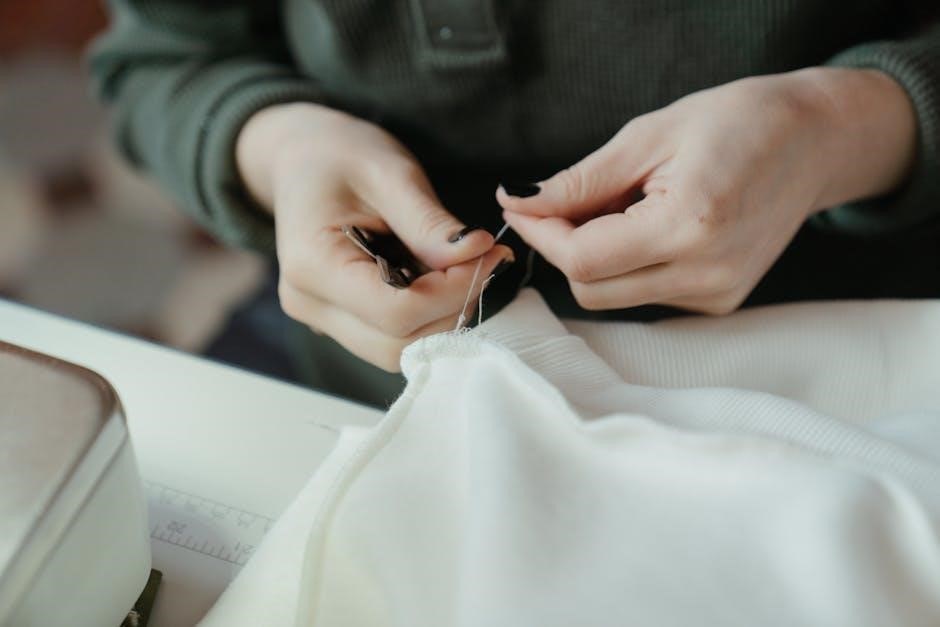
Getting Started: Unboxing and Setup
Refer to your mini sewing machine’s manual (often a downloadable PDF) for component lists and setup instructions before initial use.
Components Included in the Box
Consult your mini sewing machine manual (available as a PDF) to verify all parts are present. Typically‚ boxes contain the machine itself‚ a power adapter‚ needles‚ bobbins‚ a threading tool‚ and potentially extra parts like presser feet. The KPCB Tech KPSM-201 manual details specific inclusions. Missing components should be reported immediately to the retailer or manufacturer for replacement‚ ensuring a smooth start to your sewing projects.
Initial Safety Precautions
Before operating‚ thoroughly review the safety section within your mini sewing machine manual (often a PDF download). Always disconnect the power when threading or changing the needle. Keep fingers clear of the needle during operation. Never force the fabric. Ensure the machine is stable and on a flat surface. Children should never use the machine unsupervised‚ as highlighted in user guides.
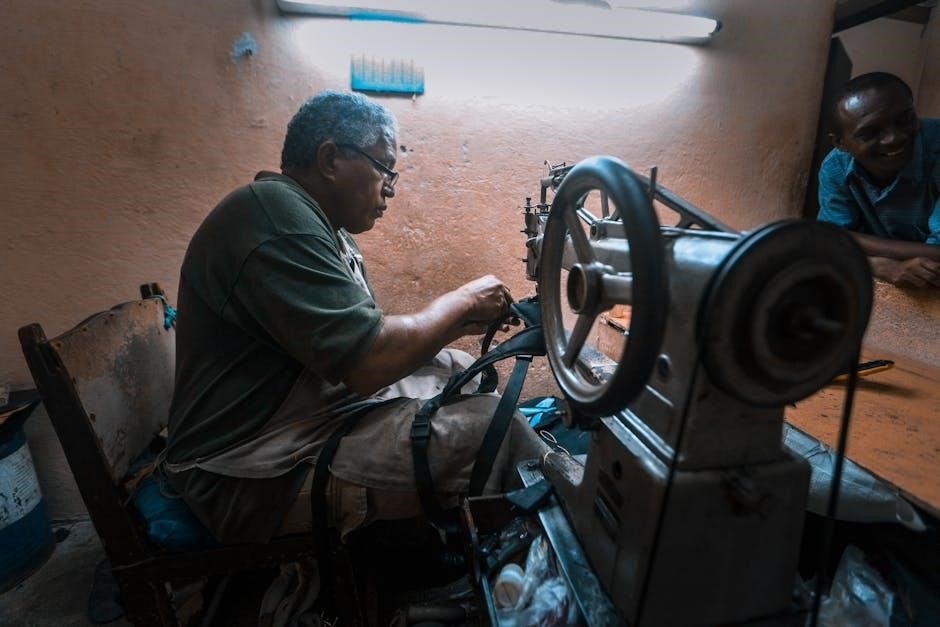
Threading the Machine
Refer to your mini sewing machine’s manual (PDF format often available) for detailed threading diagrams. Correct threading is crucial for proper stitch formation.
Main Threading Path
Consult your machine’s manual (often a downloadable PDF) for the precise threading sequence. Generally‚ thread passes from the spool pin‚ through tension discs‚ a take-up lever‚ and finally‚ guides down to the needle. The KPCB Tech KPSM-201 manual illustrates this clearly. Ensure the thread is securely seated in each component; improper threading causes skipped stitches and malfunctions. Following the manual’s diagram is essential for successful operation.
Bobbin Winding and Insertion
Refer to your mini sewing machine’s manual (available as a PDF) for specific bobbin winding instructions. Typically‚ thread wraps around the bobbin several times‚ guided by a tension disc‚ before winding. Once full‚ insert the bobbin into the bobbin case‚ ensuring it moves freely. The manual details the correct orientation; improper insertion leads to tension issues and inconsistent stitching.
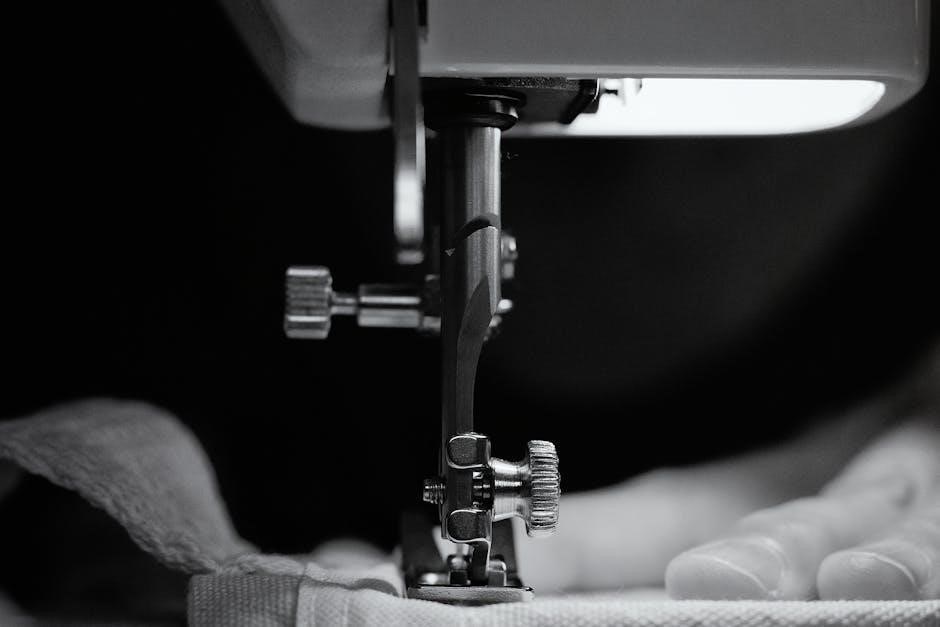
Basic Sewing Techniques
Mini sewing machine manuals (PDF format) demonstrate fundamental stitches like straight and zigzag‚ crucial for beginners to practice basic seam construction effectively.
Straight Stitching
Mini sewing machine manuals‚ often found as PDF downloads‚ detail straight stitching as the foundational technique. Proper thread tension‚ guided by the manual‚ is vital. Begin with practice fabric‚ ensuring even feed and consistent stitch length. The KPCB Tech KPSM-201 manual likely illustrates this. Mastering this stitch unlocks numerous project possibilities‚ from simple seams to quilting basics‚ as outlined in Janome Sew Mini guides.
Zigzag Stitching
Mini sewing machine manuals‚ frequently available as a PDF‚ explain zigzag stitching’s versatility. Adjust stitch width and length per the manual – Janome Sew Mini guides are helpful here. This stitch prevents fabric fraying‚ creates decorative edges‚ and allows for stretchable seams. The KPCB Tech manual likely details settings for various fabric types‚ ensuring optimal results and preventing thread issues during operation.
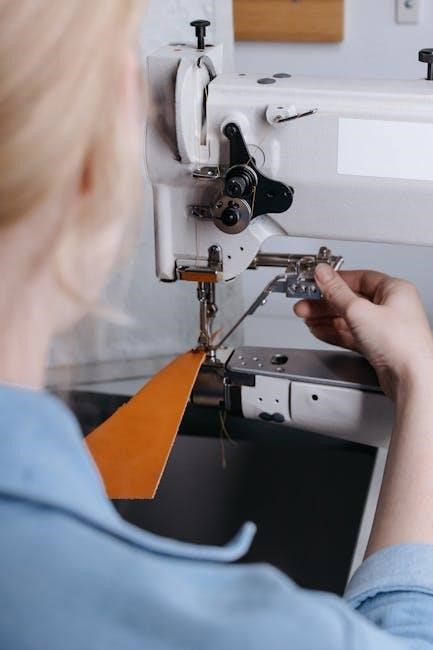
Advanced Features & Stitch Selection
Mini sewing machine manuals (PDF format) detail adjustable settings for stitch length‚ width‚ and patterns‚ enhancing creative project possibilities.
Adjustable Stitch Length and Width
Mini sewing machine manuals‚ frequently found as downloadable PDF files‚ illustrate how to modify stitch parameters. These adjustments impact fabric appearance and seam strength. Shorter stitch lengths create denser seams‚ ideal for delicate fabrics‚ while longer lengths suit heavier materials. Width adjustments alter the zigzag pattern’s breadth‚ offering decorative and functional options. Understanding these controls‚ as explained in guides like those for Janome Sew Mini models‚ unlocks greater sewing precision and creative control.
Different Stitch Patterns Available
Mini sewing machine manuals‚ often accessible as a PDF‚ detail the variety of stitch patterns offered. Beyond basic straight and zigzag stitches‚ some models include options for buttonholes‚ decorative designs‚ and even reinforcement stitches. The KPCB Tech KPSM-201 manual likely showcases available patterns. These diverse stitches expand project possibilities‚ from simple repairs to intricate crafting‚ enhancing versatility for users of all skill levels.
Tension Adjustment
Mini sewing machine manuals (PDF format) explain adjusting thread tension for optimal stitch quality‚ preventing looping or puckering‚ as detailed in troubleshooting sections.
Understanding Thread Tension
Thread tension is crucial for balanced stitches; a mini sewing machine manual (often a PDF download) illustrates how to achieve this. Incorrect tension causes issues like loose stitches or puckered fabric. The upper tension dial controls the top thread‚ while the bobbin tension affects the lower.
Finding the sweet spot‚ as explained in guides like those for KPCB Tech machines‚ ensures the threads interlock correctly within the fabric layers‚ creating a strong and aesthetically pleasing seam.
Troubleshooting Tension Issues
A mini sewing machine manual (available as a PDF) details tension fixes. If stitches are looping on the underside‚ loosen the upper tension. Conversely‚ if looping occurs on top‚ tighten it. Refer to your KPCB Tech or Janome Sew Mini guide for specific dial adjustments.
Re-threading both the top and bobbin threads is often the first step. Ensure the bobbin is correctly inserted‚ as detailed in the manual‚ to resolve persistent tension problems.
Needle Replacement
The mini sewing machine manual (PDF format) illustrates safe needle changes. Always power off before replacing‚ using the correct needle type for your fabric.
Choosing the Right Needle
Mini sewing machine manuals‚ frequently found as PDF downloads‚ emphasize selecting the correct needle. Universal needles suit most fabrics‚ while ballpoint needles are ideal for knits. Denim needles tackle heavier materials. The manual details needle sizes; smaller numbers for lightweight fabrics‚ larger for thicker ones. Using the wrong needle causes skipped stitches or damage. Refer to your machine’s PDF manual for specific recommendations based on your project and fabric type‚ ensuring optimal sewing performance and longevity.
Safe Needle Replacement Procedure
Your mini sewing machine’s manual‚ often a PDF‚ details a crucial safety procedure. Always power off and unplug the machine before changing the needle. Loosen the needle clamp screw; Gently remove the old needle‚ discarding it safely – never throw it loose! Insert the new needle‚ flat side back‚ and tighten the screw securely. A PDF manual provides diagrams; follow them closely to prevent injury or machine damage.
Creative Tips & Ideas
Mini sewing machine manuals (often PDFs) inspire beginner projects! Explore decorative stitching; enhance crafts with portable convenience and accessible techniques.
Simple Projects for Beginners
Mini sewing machine manuals‚ frequently found as downloadable PDFs‚ often include starter projects. Consider creating simple pouches‚ scrunchies‚ or small quilted coasters. These projects build confidence with basic stitches. The Janome Sew Mini manual‚ for example‚ could guide you through these. Remember safety precautions detailed within the manual before starting any project. Mastering straight stitches is key‚ and these projects offer excellent practice!
Decorative Stitching Techniques
Explore beyond basic stitches! Your mini sewing machine manual (often a PDF download) may showcase decorative options. Experiment with zigzag variations for edging or creating simple designs. Some models‚ like those from KPCB Tech‚ offer pre-programmed patterns. Refer to your manual for stitch selection and proper tension settings to achieve clean‚ professional-looking decorative effects. Practice on scrap fabric first to perfect your technique.
Maintenance and Cleaning
Mini sewing machine manuals (available as a PDF) detail cleaning schedules and lubrication. Regular upkeep ensures optimal performance and longevity.
Regular Cleaning Schedule
Mini sewing machine manuals‚ often found as a downloadable PDF‚ emphasize consistent cleaning. After each use‚ brush away lint from the bobbin area and feed dogs. Monthly‚ a deeper clean is recommended‚ including oiling key components as detailed in the guide.
Inspect the machine for dust buildup and use a soft cloth to wipe down the exterior. Following the PDF manual’s schedule prevents jams and ensures smooth operation‚ extending the machine’s lifespan.
Lubrication Guidelines
Your mini sewing machine manual‚ typically available as a PDF‚ provides specific lubrication instructions. Generally‚ oiling is required monthly‚ or after 8 hours of use. Apply a drop of sewing machine oil to the bobbin case‚ hook‚ and other moving parts as illustrated.
Avoid over-oiling‚ as this can attract lint. Refer to the PDF for diagrams and recommended oil types to maintain optimal performance and prevent corrosion.
Troubleshooting Common Problems
Mini sewing machine manuals (often PDF format) detail solutions for issues like jamming or thread breaking; consult yours for specific guidance.
Machine Jamming
Machine jamming‚ addressed in your mini sewing machine manual (available as a PDF)‚ often stems from improper threading or incorrect fabric handling. The KPCB Tech KPSM-201 manual specifically details troubleshooting steps. Always power off before attempting to clear jams – never force the mechanism. Refer to diagrams within the manual for correct thread paths and bobbin insertion to prevent recurrence. Ensure the presser foot is correctly positioned and the fabric isn’t bunched.
Thread Breaking Issues
Thread breaking‚ a common issue covered in mini sewing machine manuals (often found as a PDF)‚ can result from several factors. Consult your manual – like those for Janome Sew Mini or KPCB Tech models – for guidance. Incorrect tension‚ a dull needle‚ or using the wrong thread type are frequent causes. Always re-thread the machine following the manual’s diagrams and replace the needle regularly.
Warranty Details
Mini sewing machine manuals (available as a PDF) outline warranty coverage‚ claim processes‚ and limitations for brands like Janome and KPCB Tech.
Coverage Information
Mini sewing machine manual PDFs detail the scope of the manufacturer’s warranty‚ typically covering defects in materials and workmanship for a limited period; Coverage often excludes normal wear and tear‚ misuse‚ or unauthorized repairs.
Janome and KPCB Tech manuals specify the warranty duration – often one year from the purchase date. Proof of purchase is crucial for claiming warranty service‚ as outlined within the PDF document.
Claim Process
To initiate a warranty claim‚ consult your mini sewing machine manual PDF for specific instructions. Generally‚ you’ll need to contact the retailer or manufacturer directly‚ providing proof of purchase and a detailed description of the defect.
The manual outlines whether you need to ship the machine to an authorized repair center or if local service options are available. Retain all shipping documentation for tracking purposes‚ as detailed in the PDF.
Repair and Refurbished Goods
Mini sewing machine manual PDFs list authorized repair centers. Refurbished models may offer cost savings‚ but check warranty details carefully before purchase.
Authorized Repair Centers
Consult your mini sewing machine manual PDF for a list of officially recognized service locations. KPCB Tech‚ for example‚ provides details within their KPSM-201 instruction guide. Utilizing authorized centers ensures repairs are completed by trained technicians using genuine parts‚ maintaining your machine’s performance and warranty validity. Avoid unauthorized repairs‚ as they may void coverage and potentially cause further damage. Contact information is typically included in the manual or on the manufacturer’s website.
Understanding Refurbished Machines
A mini sewing machine manual PDF won’t detail refurbishment specifics‚ but understand these units are pre-owned‚ inspected‚ and restored to working order. They often come with a limited warranty‚ differing from new machines. Check the seller’s policy carefully before purchasing. Refurbished options can offer significant savings‚ but verify the extent of the restoration and any replaced components. Thoroughly review the product description and seller ratings.
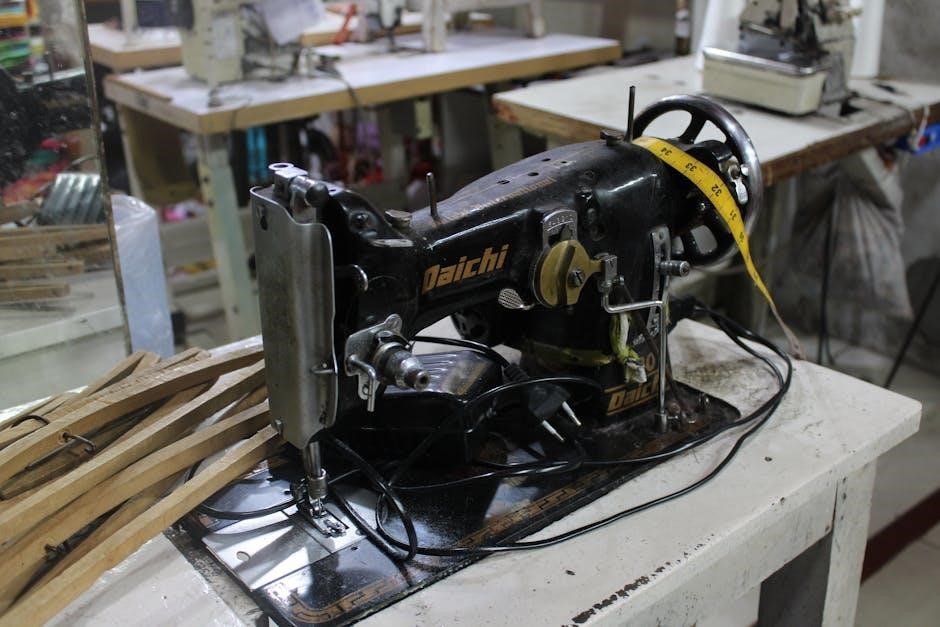
Disposing of the Sewing Machine
The mini sewing machine manual PDF won’t cover disposal‚ but prioritize environmentally responsible methods like e-waste recycling programs for proper handling.
Environmentally Responsible Disposal Methods
While a mini sewing machine manual PDF typically omits disposal guidance‚ responsible practices are crucial. Avoid landfill disposal; instead‚ explore e-waste recycling centers. These facilities properly dismantle and recover valuable materials. Check local municipal websites for collection events or drop-off locations. Some manufacturers may offer take-back programs. Prioritize donating a functional machine to extend its lifespan‚ reducing environmental impact and supporting community initiatives.
Leave a Reply