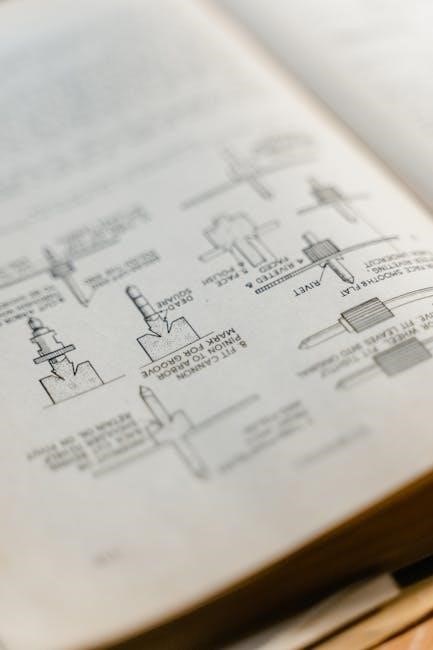
Welcome to the Remington 870 instruction manual, your comprehensive guide to safe and effective operation of this iconic pump-action shotgun․ This manual covers essential safety protocols, detailed operating instructions, and maintenance tips to ensure optimal performance․ Available as a downloadable PDF, it provides clear, step-by-step guidance for both new and experienced users, helping you master the Remington 870 with confidence․
1․1 Overview of the Remington 870 Shotgun
The Remington 870 is a legendary pump-action shotgun renowned for its reliability and versatility․ Introduced in 1949, it features a durable design with a cross-bolt safety and accepts 2 ¾ or 3-inch shotshells․ Its simplicity and robust construction make it a favorite for hunting, home defense, and sport shooting․ The 870 is available in various configurations, including tactical and field models, catering to diverse user needs․ This iconic firearm has become a staple in American shooting culture, trusted by professionals and enthusiasts alike for its consistent performance and adaptability․
1․2 Importance of Reading the Manual
Reading the Remington 870 instruction manual is crucial for safe and effective use of the shotgun․ It provides detailed guidance on handling, loading, and maintenance, ensuring you understand proper procedures to avoid accidents․ The manual highlights safety protocols, operational steps, and troubleshooting tips, essential for both novice and experienced users․ Failure to follow instructions can lead to unsafe conditions or damage to the firearm․ By adhering to the manual, you maximize performance and longevity of the Remington 870, while minimizing risks associated with misuse․
1․3 Structure of the Manual
The Remington 870 instruction manual is organized into clear, logical sections to ensure easy navigation․ It begins with safety guidelines, followed by detailed operational instructions, maintenance procedures, and troubleshooting tips․ The manual includes visual guides and step-by-step instructions for tasks like disassembly and reassembly․ Each section is designed to provide comprehensive information, making it accessible for both novice and experienced users․ The PDF version is fully searchable, allowing quick access to specific topics․ This structured approach ensures users can efficiently find and understand the information they need to operate and maintain their Remington 870 effectively․
Safety Precautions and Guidelines
The Remington 870 manual emphasizes critical safety protocols to ensure responsible firearm handling․ It outlines proper use, storage, and emergency procedures to prevent accidents and injuries, prioritizing user safety․
2․1 General Safety Rules
The Remington 870 manual outlines essential safety rules to ensure responsible firearm handling․ Always treat the shotgun as loaded, keep the muzzle pointed in a safe direction, and avoid touching the trigger until ready to shoot․ Use the safety mechanism correctly and store the firearm unloaded in a secure location․ Wear appropriate eye and ear protection during use․ Familiarize yourself with local laws and regulations․ Never handle the shotgun under the influence of alcohol or drugs․ Always maintain control and awareness of your surroundings to prevent accidents․
2․2 Safe Handling and Storage

Proper handling and storage of the Remington 870 are crucial for safety․ Always keep the muzzle pointed in a safe direction and avoid touching the trigger until ready to shoot․ Store the shotgun unloaded, with the action open, and use a gun lock or cable to prevent unauthorized access․ Keep it out of reach of children and store in a dry, secure location․ Use a protective case when transporting․ Regularly inspect the firearm for damage or wear․ Adhere to local laws regarding storage and always maintain a clean, dry environment to prevent rust or corrosion․
2․3 Emergency Procedures
In case of a misfire, keep the muzzle pointed safely and wait 10 seconds before unloading․ If the shotgun jams, unload immediately and inspect the chamber․ Always handle malfunctions with caution, ensuring the muzzle remains in a safe direction․ Never force a stuck action; disassemble and clear the obstruction carefully․ Store the firearm unloaded during emergencies․ Follow proper unloading procedures to avoid accidental discharge․ Keep emergency contacts handy, such as Remington support, for guidance․ Regular practice of these procedures ensures safety and confidence in handling unexpected situations․
Components and Features of the Remington 870
The Remington 870 features a durable pump-action design, detachable magazine, and cross-bolt safety․ It accepts 2 3/4″ or 3″ shotshells, making it versatile for various shooting needs;
3․1 Overview of Key Components
The Remington 870 features a robust pump-action design with a cross-bolt safety, ensuring secure operation․ Key components include the receiver, barrel, and stock, designed for durability․ The shotgun accepts 2 3/4″ or 3″ shotshells, offering versatility for various shooting applications․ The detachable magazine and slide-action mechanism provide reliable cycling, while the choke tube system enhances performance for different shooting scenarios․ Understanding these components is essential for proper operation, maintenance, and safety, as detailed in the manual․

3․2 Action Types and Mechanisms
The Remington 870 operates as a pump-action shotgun, requiring manual cycling of the forearm to eject spent shells and chamber new rounds․ This mechanism ensures reliable operation, with the slide moving rearward to eject the shell and forward to load a new one․ The bolt and shell latch work together to secure and release the shell, providing smooth action․ Understanding these mechanisms is crucial for effective operation and maintenance, as detailed in the manual․
3․3 Major Parts and Their Functions
The Remington 870 consists of key components essential for its operation; The receiver houses the firing mechanism, while the barrel directs the shot․ The magazine tube holds extra shells, and the forearm is used to cycle the action․ The action slide moves rearward to eject spent shells and forward to chamber new rounds․ The bolt locks the breech, ensuring a secure seal during firing․ The trigger assembly initiates the firing sequence, and the safety button prevents accidental discharge․ Understanding these parts is vital for proper operation and maintenance․
Operating Instructions
The Remington 870 manual provides detailed steps for loading, unloading, firing, and cycling the action, ensuring safe and effective operation of the shotgun․
4․1 Loading the Shotgun
Loading the Remington 870 involves ensuring the shotgun is unloaded, then inserting shells through the ejection port․ Always wear safety glasses and keep the muzzle pointed safely․ For the Super Magnum, load 2 3/4 or 3-inch shells․ Insert the first shell, then push the fore-end fully forward to chamber it․ Repeat until the magazine is full․ Ensure the bolt is in battery and the safety is engaged․ Refer to the manual for specific steps and model variations to ensure proper loading procedures are followed every time․
4․2 Unloading the Shotgun
To unload the Remington 870, ensure the shotgun is pointed in a safe direction․ Engage the safety by moving the safety button to the “on” position․ Open the action by pulling the pump handle rearward, then eject any shells from the chamber․ Continue until all shells are removed from the magazine tube․ Visually inspect the chamber and magazine to confirm they are empty․ Always treat the shotgun as loaded until fully unloaded and verified․ This process ensures safety and prevents accidental discharge․
4․3 Firing the Shotgun
To fire the Remington 870, ensure the shotgun is pointed in a safe direction․ Disengage the safety by moving the safety button to the “off” position․ Aim at your target, squeeze the trigger smoothly, and the shotgun will discharge․ After firing, pump the action to eject the spent shell and chamber a new round․ Always maintain control of the shotgun and follow proper shooting techniques․ Use the correct ammunition and ensure the shotgun is properly loaded before firing․ Adhere to all safety guidelines to prevent accidents․
4․4 Cycling the Action
Cycling the action on the Remington 870 involves smoothly pumping the fore-end to eject spent shells and chamber new rounds․ Pull the fore-end fully rearward, ensuring it moves past the magazine, then push it forward firmly to chamber the next shell․ This action should be deliberate to avoid malfunctions․ Always keep the shotgun pointed in a safe direction during this process․ Proper cycling ensures reliable operation and prepares the shotgun for the next shot․ Practice this motion to maintain smooth, consistent performance․

Maintenance and Care
Regular cleaning, lubrication, and inspection are crucial for the Remington 870’s longevity․ Proper storage and timely part replacement ensure reliable performance and safety over years of use․
5․1 Cleaning the Shotgun
Cleaning the Remington 870 is essential for maintaining reliability and performance․ Start by disassembling the shotgun, removing the barrel and forearm․ Use a cleaning rod and brush to scrub the barrel, chamber, and receiver․ Apply a solvent to break down residue and wipe down all surfaces with a clean cloth․ Pay special attention to the bolt and action areas․ After cleaning, lightly lubricate moving parts to ensure smooth operation․ Regular cleaning prevents corrosion and ensures the shotgun functions flawlessly․ Always follow the manual’s specific cleaning instructions for optimal results․
5․2 Lubrication and Preservation
Proper lubrication is crucial for the Remington 870’s smooth operation․ Apply a high-quality gun oil to moving parts, such as the bolt, carrier, and action bars․ Avoid over-lubrication, as it can attract debris․ Regularly inspect and reapply lubricant, especially after cleaning or extended use․ For preservation, use a rust-inhibiting coating on metal surfaces and protect the finish with a silicone-based spray․ Store the shotgun in a dry, cool environment, away from direct sunlight․ Proper care ensures long-term reliability and maintains the shotgun’s performance and appearance․
5․3 Inspection and Wear Check
Regular inspection is vital for maintaining the Remington 870’s reliability․ Check the bolt, chamber, and barrel for wear or damage․ Ensure all screws and pins are secure․ Look for signs of rust or corrosion on metal parts․ Inspect the stock and fore-end for cracks or damage․ Worn or damaged parts should be replaced promptly to prevent malfunctions․ Regular checks ensure safety and optimal performance․ If unsure, consult a professional gunsmith for a thorough evaluation․
5․4 Storage Recommendations
Proper storage is crucial for maintaining the Remington 870’s condition and safety․ Store the shotgun unloaded in a dry, secure location, such as a gun safe or locked cabinet․ Avoid exposure to extreme temperatures or humidity․ Use a rust-inhibiting spray or oil to protect metal parts․ Keep the firearm out of reach of children and unauthorized individuals․ For long-term storage, consider using a protective case or bag․ Always follow local laws and regulations for firearm storage․ Regularly inspect stored firearms to ensure they remain in good condition․
Troubleshooting Common Issues
This section helps identify and resolve common issues with the Remington 870, such as jams, malfunctions, and feeding problems․ Follow diagnostic tips and solutions to ensure reliable performance․
6․1 Identifying Common Problems
The Remington 870 may experience issues like jams, feeding problems, or extractor malfunctions․ These often result from improper loading, insufficient lubrication, or worn parts; Regular inspection can help identify worn components, such as the extractor or ejector, which may need replacement․ Additionally, failure to cycle the action fully can cause malfunctions․ Addressing these issues promptly ensures reliable performance and safety․ Always refer to the manual for diagnostic guidance and solutions to maintain your shotgun’s functionality and longevity․
6․2 Clearing Jams and Malfunctions
To clear jams or malfunctions on the Remington 870, start by locking the action back and removing the magazine․ Inspect the chamber and magazine tube for obstructions․ If a shell is stuck, gently pry it out with a tool․ Avoid forcing parts, as this can cause further damage․ If issues persist, consult the manual or contact a professional․ Regular maintenance, such as cleaning and lubrication, can help prevent malfunctions․ Always ensure the shotgun is unloaded before attempting any repairs to ensure safety and effectiveness․
6․3 Diagnostic Tips and Solutions
The Remington 870 manual provides detailed diagnostic tips to identify and resolve common issues․ For feeding problems, check the magazine tube and ensure it’s free from obstructions․ If the shotgun fails to eject, inspect the chamber and extractor for wear or debris․ Lubricate moving parts regularly to prevent friction-related malfunctions․ For persistent issues, consult the troubleshooting section or contact Remington support․ Regular inspection and maintenance can help prevent most problems, ensuring reliable performance and longevity of your shotgun․

Accessories and Customization
Enhance your Remington 870 with a variety of accessories, including choke tubes, upgraded stocks, and optics․ Customize to fit your shooting style and preferences for optimal performance․
7․1 Choke Tubes and Their Uses
Choke tubes are essential accessories for the Remington 870, allowing customization of shot patterns for various shooting scenarios․ Available in types like Improved Cylinder, Modified, and Full, they regulate pellet spread․ For close-range targets, an open choke like Improved Cylinder is ideal, while tighter chokes like Full are better for longer distances․ This versatility enhances performance in hunting, skeet shooting, or home defense․ Consult the manual for specific guidance on selecting and installing the right choke tube for your needs, ensuring optimal accuracy and effectiveness in every situation․
7․2 Upgrading Stocks and Fore-ends
Upgrading the Remington 870’s stock and fore-end enhances ergonomics and functionality․ Options include adjustable stocks for customizable fit and tactical styles for improved control․ Materials vary from durable polymers to elegant wood finishes․ Always follow the manual’s instructions for installation to ensure safety and performance․ These upgrades allow shooters to tailor their shotgun to personal preferences, optimizing handling and comfort without compromising reliability․
7․3 Adding Optics and Accessories
Enhance your Remington 870’s versatility by adding optics and accessories․ Scopes, red dot sights, and mounts improve accuracy and target acquisition․ Tactical lights, slings, and shell holders offer practical advantages․ Ensure all modifications comply with local laws and are installed correctly․ Accessories like choke tubes and magazine extensions further customize performance․ Always refer to the manual for compatibility and installation guidelines to maintain safety and functionality․ These upgrades allow you to tailor your shotgun to specific shooting needs, whether for sport, defense, or tactical use․

Training and Practice
Master the Remington 870 through structured training and regular practice․ Enroll in safety courses, engage in target drills, and explore advanced shooting techniques to enhance your skills and confidence․
8․1 Safety Training Courses
Safety training courses are essential for mastering the Remington 870․ These courses cover proper handling, loading, and storage techniques, ensuring responsible firearm use․ They emphasize situational awareness and emergency procedures, providing a solid foundation for both new and experienced users․ Many programs include hands-on range exercises and theoretical lessons, fostering confidence and competence․ By completing these courses, shooters can minimize risks and enjoy a safer, more effective shooting experience with their Remington 870․
8․2 Target Practice and Drills
Regular target practice and drills are crucial for improving accuracy and control with the Remington 870․ Start with stationary targets to refine your aim and technique․ Progress to moving targets to simulate real-world scenarios․ Practice loading, unloading, and cycling the action smoothly․ Incorporate drills like the “tactical reload” to enhance efficiency․ Use different chokes and shotshells to familiarize yourself with varying patterns․ Always follow safety guidelines during practice․ Consistent training will help you master the Remington 870, ensuring confidence and proficiency in any situation․
8․3 Advanced Shooting Techniques
Mastering advanced shooting techniques with the Remington 870 enhances your proficiency in dynamic situations․ Practice shooting from various positions, such as kneeling or off-hand, to improve adaptability․ Learn to lead moving targets effectively and engage multiple targets quickly․ Incorporate tactical movements, like pivoting and transitioning between targets, to build fluidity․ Focus on controlled patterning and precision at longer ranges․ Advanced drills, such as shooting while moving and rapid reloads, will elevate your skills․ Consistent practice and attention to technique will make you a formidable shooter with the Remington 870․
Digital Manual and Additional Resources
The Remington 870 manual is available as a downloadable PDF, offering detailed instructions and visual guides․ Official Remington resources and additional guides provide further insights and support․
9․1 Downloading the PDF Manual
The Remington 870 instruction manual is readily available as a downloadable PDF from Remington’s official website and other reputable sources․ This digital format ensures easy access and reference, providing detailed guidance on safety, operation, and maintenance․ The PDF manual is free to download and includes visual guides, making it an essential resource for both new and experienced users․ By downloading the manual, you can ensure you have all the information needed to handle and maintain your Remington 870 effectively․
9․2 Official Remington Resources
Remington offers a wealth of official resources to support your use of the 870 shotgun․ Their website provides access to detailed manuals, instructional videos, and FAQs․ These resources cover topics from basic operation to advanced maintenance, ensuring you have the knowledge needed to use your firearm safely and effectively․ Additionally, Remington’s customer support team is available to address any questions or concerns, further enhancing your ownership experience with the iconic 870 model․
9․3 Print Options and Availability
The Remington 870 instruction manual is available in print for those who prefer a physical copy․ A 51-page field manual, offered as a glossy soft-cover booklet, provides detailed information on operation, maintenance, and troubleshooting․ Additionally, a Remington 870 Gun-Guides manual is available, covering all listed models with easy-to-follow instructions․ These print resources can be purchased from Remington’s official website or through authorized dealers, ensuring you have a tangible guide for easy reference and learning․

Warranty and Customer Support
Remington offers comprehensive warranty coverage for the 870 shotgun, ensuring defective parts are repaired or replaced․ Customer support is accessible through Remington’s official website or contact information provided in the manual, allowing users to address inquiries or issues promptly and effectively․
10․1 Understanding the Warranty
The Remington 870 warranty ensures coverage for defects in materials and workmanship․ It typically lasts for a specified period from the date of purchase․ The warranty guarantees repair or replacement of defective parts at no additional cost to the owner․ Registration of the firearm is often required to activate warranty benefits․ Coverage details, including duration and specific terms, are outlined in the manual․ Proper maintenance and adherence to usage guidelines are essential to uphold warranty validity․ For full details, refer to the official Remington 870 instruction manual or contact customer support․
10․2 Repair and Service Options
For repair and service needs, Remington offers authorized service centers and certified technicians to ensure professional maintenance․ The manual provides detailed instructions for minor adjustments and troubleshooting․ Users can also contact Remington support for guidance or to locate a nearby service provider; Regular maintenance, as outlined in the manual, helps prevent issues and ensures optimal performance․ For complex repairs, it’s recommended to use genuine Remington parts to maintain warranty validity and firearm reliability․
10․3 Contacting Remington Support
For assistance with your Remington 870, contact Remington’s customer support team through their official website, phone, or email․ The support team is available to address questions, repair inquiries, and warranty-related issues․ Visit the Remington website for contact details and to access downloadable resources like manuals and FAQs․ Representatives are trained to provide accurate and timely support, ensuring your firearm operates safely and effectively․ For urgent matters, phone support is recommended, while email is ideal for less critical inquiries․

History and Development
The Remington 870, introduced in 1949, was designed by Fred Bitch, offering a reliable, durable pump-action shotgun․ Over 70 years, it has become iconic, with over 11 million produced․
11․1 Historical Background
The Remington 870, introduced in 1949, was designed by Fred Bitch, offering a reliable, durable pump-action shotgun․ Over 70 years, it has become iconic, with over 11 million produced․ Known for its simplicity and strength, the 870 has been widely adopted by military, law enforcement, and civilians․ Its enduring popularity stems from its versatility, serving in hunting, self-defense, and sport shooting․ This shotgun’s legacy is a testament to its design excellence and adaptability, making it a cornerstone of firearms history․
11․2 Evolution of the Remington 870
Introduced in 1949, the Remington 870 was designed by Fred Bitch, offering a reliable pump-action shotgun․ Over the years, it evolved with improvements like the Super Magnum in 1991, chambering 3-inch shells․ Various models emerged, including Tactical and Express lines, catering to law enforcement, home defense, and hunting․ With over 11 million produced, the 870 remains a versatile and trusted firearm, adapting to user needs while maintaining its core design principles․ Its evolution reflects its enduring popularity and adaptability across generations․
11․3 Cultural Impact and Popularity
The Remington 870 has become an iconic firearm, widely recognized for its reliability and versatility․ With over 11 million units sold, it is one of the most popular shotguns in history․ Its adoption by law enforcement, military, and civilians has cemented its reputation as a trusted tool․ The 870 has also appeared in numerous films, TV shows, and video games, further enhancing its cultural significance․ Its enduring popularity stems from its durability, adaptability, and widespread use across various applications, making it a symbol of American firearms heritage and a favorite among enthusiasts worldwide․

Legal Considerations
Understanding federal and state laws governing firearm ownership, transportation, and storage is crucial․ International regulations may also apply, ensuring compliance with all legal requirements for the Remington 870․
12․1 Ownership and Possession Laws
Ownership and possession of the Remington 870 are regulated by federal, state, and local laws․ Federal law requires buyers to be at least 18 years old for long guns, with valid identification and background checks․ State laws may impose additional restrictions, such as waiting periods or specific licensing requirements․ International ownership is subject to the laws of the respective country․ Always ensure compliance with all legal regulations before purchasing or possessing the Remington 870 shotgun․
12․2 Transportation and Storage Laws
Transportation and storage of the Remington 870 must comply with local, state, and federal regulations․ Firearms should be stored unloaded in a locked container, separate from ammunition, to prevent unauthorized access․ When transporting, use a locked, hard-sided case to ensure safety and legal compliance․ Always follow specific laws regarding concealed carry and vehicle transport․ Check local regulations for additional requirements, such as trigger locks or secure storage devices․ Proper storage and transport are critical to ensure safety and adherence to legal standards․
12․3 International Regulations
International regulations for the Remington 870 vary by country, requiring compliance with local import/export and firearms laws․ Ensure proper documentation and licensing when transporting or shipping the shotgun across borders․ Customs regulations may require additional permits or inspections․ Some countries impose strict restrictions on firearm ownership, while others may prohibit certain modifications or accessories․ Always consult local authorities to ensure adherence to international and regional laws governing the possession and transport of firearms like the Remington 870․
Leave a Reply